Wirecutter consistently recommends the Oral-B Pro 1000 as the best electric toothbrush for most people due to its exceptional cleaning power, affordability, and essential features like a two-minute timer and pressure sensor. For those preferring a gentler experience, the Philips Sonicare 4100 is a top pick, offering effective plaque removal with sonic vibrations. Wirecutter’s recommendations are based on rigorous, hands-on testing by experts, ensuring reliable choices for improved oral hygiene.

Choosing the right electric toothbrush can be challenging with numerous models and features available. Expert reviews, particularly from thorough sources like Wirecutter, simplify this process by focusing on products that deliver superior cleaning and lasting value, cutting through marketing claims. For complete reviews library on this site.
Why Wirecutter’s Recommendations Matter: A Deep Dive into Their Testing
Wirecutter’s team, including dental professionals and long-term testers such as senior staff writer Nancy Redd, dedicates extensive hours to hands-on testing. They evaluate performance, durability, and user experience in real-world conditions, ensuring their recommendations are trustworthy. This meticulous approach covers everything from effective plaque removal to comfort, ease of use, and the long-term cost of replacement brush heads.
“Wirecutter’s strength lies in their commitment to real-world testing,” states Dr. Elena Petrova, a dental hygiene specialist at KVRTV. “They don’t just review specs; they experience how these brushes perform daily, which is crucial for making practical recommendations for consumers.”
Understanding Electric Toothbrush Technology: Sonic vs. Oscillating-Rotating
Before exploring specific models, it’s important to understand the two primary types of electric toothbrush technologies Wirecutter often discusses: sonic and oscillating-rotating. Each offers a distinct cleaning experience, and understanding these differences is key to finding your perfect match.
The Sonic Advantage (Philips Sonicare)
Sonic toothbrushes, such as those from Philips Sonicare, use high-frequency vibrations, often tens of thousands of brush strokes per minute, to clean teeth. This rapid movement creates dynamic fluid action, pushing toothpaste and water into hard-to-reach areas like between teeth and along the gumline.
Key Characteristics:
- Vibrating motion: The brush head moves rapidly back and forth.
- Quieter operation: Generally perceived as less abrasive and quieter than oscillating models.
- Broader coverage: The wider brush head mimics a manual brush shape, covering more tooth surface at once.
- Gentle yet effective: Often favored by those with sensitive gums or teeth due to their gentler feel.
The Oscillating-Rotating Power (Oral-B)
Oscillating-rotating toothbrushes, primarily Oral-B models, feature a small, round brush head that oscillates (moves side-to-side) and pulsates to break up plaque. This technology physically scrubs each tooth surface individually.
Key Characteristics:
- Small, round head: Designed to cup and clean each tooth individually.
- Rotational and pulsating action: Physically sweeps away plaque.
- Deep cleaning feel: Many users report a more intense, “dentist-clean” sensation.
- Effective plaque removal: Highly effective at removing plaque, particularly around the gumline.
Wirecutter emphasizes that both technologies are highly effective at cleaning teeth compared to manual brushing, primarily because electric toothbrushes often include a built-in timer to ensure brushing for the dentist-recommended two minutes. If one feels uncomfortable, simply try the other.
Wirecutter’s Top Electric Toothbrush Picks for Every Need
Based on Wirecutter’s extensive evaluations, several models consistently rank high, offering a balance of performance, features, and value.
The All-Around Champion: Oral-B Pro 1000
|
Our Picks for the Best Electric Toothbrush in 2026
As an Amazon Associate I earn from qualifying purchases.
|
||
| Num | Product | Action |
|---|---|---|
| 1 | Philips Sonicare 4100 Series Electric Toothbrush - Sonic Toothbrush with Advanced Sonic Technology, Pressure Sensor, Two Intensity Settings, Smartimer & Quadpacer, Deep Pink, Model HX3681/26 |

|
| 2 | Ultrasonic Toothbrush for Adults - Automatic Electric Toothbrush with Soft Bristles Waterproof & Washable Rechargeable Portable Design with Wireless Charging 30\'\' Timer for Travel & Home Use (White) |
|
| 3 | Philips Sonicare 7300 Series Electric Toothbrush - Next-Generation Sonicare Technology, Pressure Sensor, 12 Brushing Settings, SmarTimer, BrushPacer, 21-Day Runtime, Travel Case, Black, HX7421/07 |
|
| 4 | Onlyone Sonic Electric Toothbrush for Adults, Rechargeable Ultrasonic Electric Toothbrush with 8 Brush Heads, Travel Case, Charging Base & Wireless Charging - 5 Modes with Smart Timer |
|
| 5 | Oral-B Pro 1000 Rechargeable Electric Toothbrush, White |
|
| 6 | Philips Sonicare 4100 Series Electric Toothbrush - Sonic Toothbrush with Advanced Sonic Technology, Pressure Sensor, Two Intensity Settings, Smartimer & Quadpacer, Black, Model HX3681/24 |
|
| 7 | GRAUICI Deep Clean Rechargeable Electric Powered Toothbrush, Rechargeable Electric Toothbrush with 8 Brush Heads,Pressure Sensor to Protect Gums (White) |
|
| 8 | Oral-B iO Deep Clean Rechargeable Electric Toothbrush, Black, iO Series 3 Limited, 2 Brush Heads, Travel Case, Pressure Sensor, 3 Cleaning Settings |
|
| 9 | Philips Sonicare 4100 Series Electric Toothbrush - Sonic Toothbrush with Advanced Sonic Technology, Pressure Sensor, Two Intensity Settings, Smartimer & Quadpacer, White, Model HX3681/23 |
|
| 10 | Oral-B Pro 1000 Rechargeable Electric Toothbrush, Black |
|
The Oral-B Pro 1000 is consistently hailed by Wirecutter as a fantastic choice for most people. It balances affordability with exceptional cleaning power, featuring an oscillating-rotating head for effective plaque removal and essential features.
Why it’s a Top Pick:
- Competitive Price: Offers excellent value for its performance.
- Effective Plaque Removal: Its oscillating-rotating action provides a thorough clean.
- Built-in Timer: Ensures brushing for the full two minutes with 30-second quadrant reminders.
- Pressure Sensor: Protects gums by alerting you if you’re brushing too hard.
- ADA-Accepted: Recognized by the American Dental Association for safety and effectiveness.
- Affordable Replacement Heads: Maintenance costs are kept low.
Who it’s Best For: The Oral-B Pro 1000 is ideal for anyone seeking a highly effective electric toothbrush without excessive extra features. It’s a reliable workhorse.
The Smooth Operator: Philips Sonicare 4100
For those who prefer a quieter, gentler brushing experience or have sensitive teeth and gums, Wirecutter often recommends the Philips Sonicare 4100. This sonic toothbrush provides powerful yet gentle vibrations for effective cleaning without the intense scrubbing sensation of an oscillating brush.
Why it’s a Top Pick:
- Quieter Operation: Many users find the sonic vibration more pleasant.
- Gentle Clean: Excellent for sensitive mouths, while still highly effective at plaque removal.
- Two-Minute Timer with QuadPacer: Ensures optimal brushing time and coverage.
- Pressure Sensor: Prevents over-brushing.
- Good Battery Life: Offers plenty of uses between charges.
Who it’s Best For: The Philips Sonicare 4100 is perfect for individuals with sensitive teeth or gums, those new to electric toothbrushes, or anyone who prefers sonic vibrations over oscillating motions.
Gentle Care for Sensitive Smiles (and Kids!): Philips Sonicare for Kids Design a Pet Edition
Wirecutter notes that the Philips Sonicare for Kids Design a Pet Edition is an excellent option for adults with particularly sensitive teeth or smaller mouths, despite its name. It features a smaller, softer brush head and milder vibration for incredible comfort.
Benefits:
- Softer, Smaller Head: Perfect for sensitive gums and reaching tricky spots.
- Milder Vibration: Provides a very gentle yet effective clean.
- Interchangeable Heads: All Sonicare heads typically fit on Sonicare brushes, allowing adults to use a standard sonic head if preferred, but the kid’s head offers unique comfort.
Who it’s Best For: People with extreme sensitivity, those recovering from dental procedures, or anyone seeking the gentlest electric brushing experience. It’s also an excellent choice for encouraging children to brush.
Stepping Up Your Game: Premium Options like Oral-B iO Series 2 & Sonicare 9900 Prestige
While the Pro 1000 and Sonicare 4100 offer excellent core performance, Wirecutter and other expert reviewers also acknowledge premium models for those seeking advanced features.
- Oral-B iO Series 2 (or higher): Praised for its magnetic iO technology, delivering a quiet, smooth, and incredibly effective cleaning experience. It often includes smart features like pressure sensors with visual feedback and multiple brushing modes.
- Philips Sonicare 9900 Prestige: This model offers a luxury experience with a sleek design, adaptive cleaning technology, and a sophisticated app for personalized coaching.
These premium brushes are for users who value modern technology, smart features, and a more tailored brushing experience, and are willing to invest more.
Key Features Wirecutter Recommends You Look For
Beyond specific models, Wirecutter highlights several essential features that distinguish an excellent electric toothbrush:
- Two-Minute Timer (with Quadrant Pacing): This is crucial for ensuring you brush for the dentist-recommended duration. Quadrant pacing (a pulse every 30 seconds) guides you to clean all areas of your mouth evenly, which is a primary reason dental professionals recommend electric toothbrushes.
- Pressure Sensor: Over-brushing can damage gums and tooth enamel. A pressure sensor alerts you (often with a light or vibration change) when you’re pressing too hard, helping maintain a gentle yet effective technique.
- Affordable and Accessible Replacement Heads: The ongoing cost of brush heads can add up. Wirecutter looks for models with readily available and reasonably priced replacement heads, ensuring long-term value.
- Battery Life: A good electric toothbrush should hold a charge for several days, if not weeks, making it convenient for travel and daily use.
Maximizing Your Electric Toothbrush Experience: Tips from the Pros
Even the best electric toothbrush requires proper technique and care for optimal performance. Here are expert tips to get the most out of your Wirecutter-recommended brush:
The Right Way to Brush for Optimal Results
Unlike manual brushing, where you actively scrub, an electric toothbrush performs most of the work.
- Angle: Hold the brush at a 45-degree angle to your gumline.
- Glide: Gently glide the brush head over each tooth surface, allowing the bristles to do their job. Avoid scrubbing back and forth.
- Sections: Use the 30-second quadrant timer to dedicate equal time to the upper right, upper left, lower right, and lower left sections of your mouth.
- Reach All Surfaces: Ensure you clean the outer, inner, and chewing surfaces of all your teeth.
“Many people make the mistake of scrubbing with an electric toothbrush,” notes Dr. Petrova. “The technology is designed to do the work; your job is simply to guide it gently across every tooth surface for the full two minutes.”
Brush Head Maintenance: When and How to Replace Your Brush Head
Regularly replacing your brush head is crucial for effective cleaning and hygiene.
- Frequency: Most dentists and manufacturers recommend replacing your brush head every three months, or sooner if bristles appear frayed or worn. Some brush heads have indicator bristles that fade to signal replacement time.
- Why it Matters: Worn bristles become less effective at removing plaque and can harbor bacteria.
Cleaning and Maintaining Your Electric Toothbrush
Keeping your electric toothbrush clean ensures its longevity and hygiene.
- After Each Use: Rinse the brush head thoroughly under running water to remove toothpaste residue and debris.
- Handle Cleaning: Wipe down the handle periodically with a damp cloth, especially areas where toothpaste can accumulate.
- Storage: Store your toothbrush upright in a clean, dry place, allowing the brush head to air dry. Avoid covering it immediately, as this can encourage bacterial growth.
Frequently Asked Questions About Electric Toothbrushes
Here are some common questions we receive about electric toothbrushes:
Q: Are electric toothbrushes really better than manual ones?
A: Yes, generally. Electric toothbrushes, with built-in timers and consistent cleaning motions, help ensure a more thorough and consistent clean compared to manual brushing. Studies show they lead to better plaque removal and improved gum health, even if a manual toothbrush can be effective when used perfectly for two minutes.
Q: How often should I replace my electric toothbrush head?
A: You should replace your electric toothbrush head approximately every three months. Replace it sooner if the bristles become visibly worn, frayed, or if you’ve been sick. Worn bristles are less effective at cleaning and can be abrasive to your gums.
Q: Can electric toothbrushes damage my gums?
A: When used correctly, electric toothbrushes are safe and effective. Many models include pressure sensors to prevent brushing too hard, which is the primary cause of gum damage. For sensitive gums, Wirecutter suggests trying a sonic model or a brush designed for children, which often have softer bristles.
Q: What’s the best way to clean my electric toothbrush?
A: After each use, rinse the brush head thoroughly under running water. Regularly wipe down the handle with a damp cloth, especially where toothpaste accumulates. Always store your brush upright in the open air to dry, preventing bacteria buildup. Do not submerge the handle unless the manufacturer specifies it’s waterproof.
Q: Is it worth investing in a smart electric toothbrush?
A: Smart electric toothbrushes, with features like Bluetooth connectivity and app-based coaching, can be beneficial for some users. They offer real-time feedback on brushing technique and coverage. While not strictly necessary for a great clean, they can be a valuable tool for those who want to optimize every aspect of their oral hygiene and appreciate data-driven insights.
Conclusion
Choosing the best electric toothbrush is a significant step towards optimal oral health. By relying on meticulous research and expert recommendations from sources like Wirecutter, you can make an informed decision with confidence. Whether you choose the robust oscillating power of the Oral-B Pro 1000 or the gentle sonic embrace of the Philips Sonicare 4100, consistency and proper technique are key.
At KVRTV.com, we believe that with the right tools and knowledge, everyone can enjoy a healthier, brighter smile. Invest in a Wirecutter-approved electric toothbrush, commit to a consistent brushing routine, and you’ll experience the transformative benefits of superior oral care. Here’s to a future filled with sparkling, healthy smiles!
Frequently Asked Questions
Are electric toothbrushes truly more effective than manual toothbrushes?
Yes, generally. Electric toothbrushes, with their built-in timers and consistent cleaning motions, help ensure you get a more thorough and consistent clean compared to manual brushing. Studies show they lead to better plaque removal and improved gum health, even if a manual toothbrush can be effective when used perfectly for two minutes.
How frequently should I replace the head of my electric toothbrush?
You should replace your electric toothbrush head approximately every three months. Replace it sooner if the bristles become visibly worn, frayed, or if you've been sick. Worn bristles are less effective at cleaning and can be abrasive to your gums.
Can using an electric toothbrush cause damage to my gums?
When used correctly, electric toothbrushes are safe and effective. Many models include pressure sensors to prevent brushing too hard, which is the primary cause of gum damage. For sensitive gums, Wirecutter suggests trying a sonic model or a brush designed for children, which often have softer bristles.
What is the recommended method for cleaning my electric toothbrush?
After each use, rinse the brush head thoroughly under running water. Regularly wipe down the handle with a damp cloth, especially where toothpaste accumulates. Always store your brush upright in the open air to dry, preventing bacteria buildup. Do not submerge the handle unless the manufacturer specifies it's waterproof.
Is a smart electric toothbrush a worthwhile investment for oral hygiene?
Smart electric toothbrushes, with features like Bluetooth connectivity and app-based coaching, can be beneficial for some users. They offer real-time feedback on brushing technique and coverage. While not strictly necessary for a great clean, they can be a valuable tool for those who want to optimize every aspect of their oral hygiene and appreciate data-driven insights.
How to Use Your Electric Toothbrush for Optimal Results
Learn the correct technique for using an electric toothbrush to maximize plaque removal and maintain gum health.
Hold the electric toothbrush at a 45-degree angle to your gumline. This angle helps the bristles effectively clean both the tooth surface and along the gumline.
Instead of scrubbing, gently glide the brush head over each tooth surface. Allow the electric toothbrush's bristles and technology to do the work for you, moving slowly from tooth to tooth.
Utilize the built-in 30-second quadrant timer to ensure you dedicate equal time to all four sections of your mouth: upper right, upper left, lower right, and lower left. This ensures comprehensive cleaning across your entire mouth.
Make sure to clean the outer, inner, and chewing surfaces of all your teeth. Pay attention to hard-to-reach areas and allow the brush to thoroughly clean each surface before moving on.
Get our weekly buyer guide
Practical specs, not advice. Unsubscribe anytime.
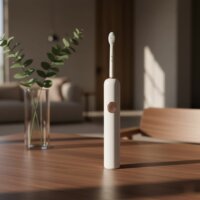
After struggling to choose an electric toothbrush with so many options out there, I decided to go with one of the expert-recommended models. The cleaning power is fantastic, and I can really feel the difference in how clean my teeth are. It’s great to know I’m using a product that’s been rigorously tested and delivers on its promises.
I got the Oral-B Pro 1000 because of the affordability, and it does clean well. However, I find the handle a bit bulky compared to my old brush, and it’s a little louder than I expected. It gets the job done for the price, but I might look for something with a slimmer design next time. The cleaning power is good though.
I’ve been using the Philips Sonicare 4100 for a few weeks now, and I’m really happy with it. The sonic vibrations are definitely a gentler experience than some other electric brushes I’ve tried, but it still feels like it’s doing a great job with plaque removal. My gums feel healthier, and my mouth just feels fresher overall. It’s a solid choice if you want effective cleaning without being too aggressive.
I finally upgraded to the Oral-B Pro 1000 after seeing it recommended everywhere, and wow, what a difference! My teeth feel so much cleaner than with my old manual brush. The two-minute timer is super helpful for making sure I brush long enough, and the pressure sensor is a game-changer for someone like me who tends to brush too hard. Definitely worth the investment for better oral hygiene.