Choosing the ultimate electric toothbrush involves understanding your personal oral health needs and preferences, as both sonic and oscillating-rotating (rotary) technologies offer distinct benefits. Electric toothbrushes are significantly more effective at removing plaque and reducing gingivitis compared to manual brushes, delivering thousands of strokes per minute for a deeper, more consistent clean. Key features like pressure sensors, 2-minute timers, and multiple brushing modes further enhance their efficacy, leading to healthier gums and a brighter smile.
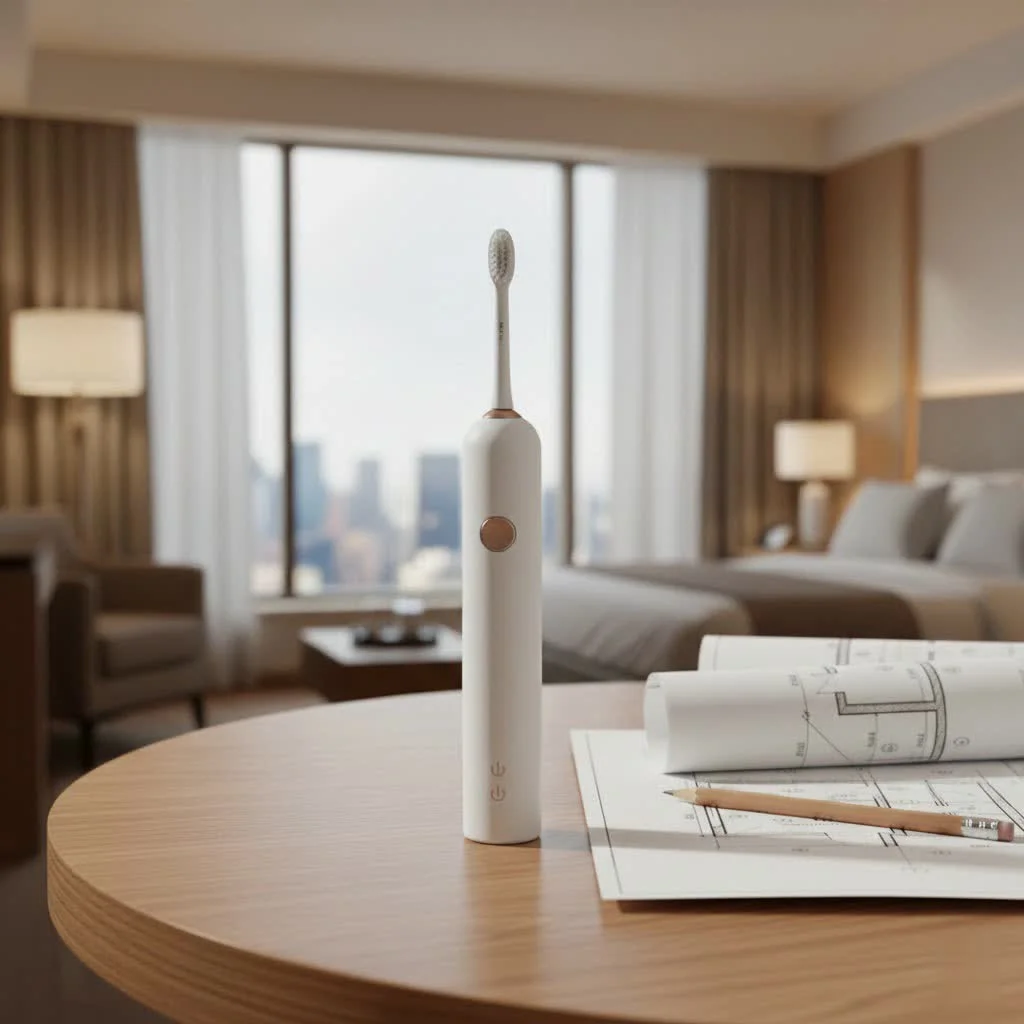
Why Electric Toothbrushes Reign Supreme
For years, dentists and studies have consistently shown that electric toothbrushes are significantly more effective at removing plaque and reducing gingivitis compared to their manual counterparts. An electric brush can deliver thousands of strokes per minute, far exceeding what any human hand can achieve. This means a deeper, more consistent clean, leading to healthier gums and a brighter smile. It’s about taking the guesswork out of brushing and letting technology do the heavy lifting for you. For explore our reviews reviews on this site.
Deciphering the Tech: Sonic vs. Rotary Electric Toothbrushes
The electric toothbrush market largely revolves around two main technologies: sonic and oscillating-rotating (often just called rotary). Understanding the difference is crucial in finding your ideal match.
Sonic Electric Toothbrushes: The Wave of Clean
Sonic toothbrushes, like many Philips Sonicare models, operate at incredibly high frequencies, typically generating tens of thousands of brush strokes per minute – often exceeding 30,000. These rapid vibrations move the bristles from side to side or up and down, creating dynamic fluid actions that extend cleaning beyond the bristles’ direct reach. This means micro-bubbles of water and toothpaste are driven into interdental spaces and along the gumline, disrupting plaque even where bristles can’t directly touch.
Pros:
- Gentle Yet Effective: Often preferred by those with sensitive gums, the sweeping motion feels gentler while still being highly effective at plaque removal.
- Superior Interdental Cleaning: The fluid dynamics help clean between teeth.
- Modern Feel: Many users find the high-frequency vibrations provide a unique, fresh-mouth sensation.
- Longer Battery Life: Generally, sonic brushes boast longer battery life due to their efficient vibration mechanisms.
Cons:
- Initial “Tickling” Sensation: Some new users might experience a tickling sensation initially, though most adapt quickly.
- Potentially Higher Cost: Advanced sonic technology can sometimes lead to a higher price point.
Rotary (Oscillating-Rotating) Electric Toothbrushes: Power and Precision
On the other side of the spectrum are rotary toothbrushes, famously championed by Oral-B. These brushes feature small, round heads that oscillate (rotate back and forth) and often pulsate, effectively scrubbing plaque from each tooth surface. This technology focuses on a tooth-by-tooth cleaning approach, often delivering up to 8,800 strokes per minute.
Pros:
- Intense Plaque Removal: Many studies suggest rotary brushes are particularly effective for plaque removal on the tooth surface.
- Tooth-by-Tooth Cleaning: The small, round head allows for precise cleaning of each individual tooth.
- Often More Affordable: Basic models can be more budget-friendly than high-end sonic brushes.
Cons:
- Can Feel Harsher: Some users, especially those with sensitive gums, might find the mechanical scrubbing action a bit intense.
- More Motor Noise: Rotary brushes can be louder due to the oscillation motor.
- Specific Technique Required: Requires pressing the brush head onto each tooth individually for optimal results.
The KVRTV Takeaway: It’s All About You!
|
Our Picks for the Best Electric Toothbrush in 2026
As an Amazon Associate I earn from qualifying purchases.
|
||
| Num | Product | Action |
|---|---|---|
| 1 | Onlyone Sonic Electric Toothbrush for Adults, Rechargeable Ultrasonic Electric Toothbrush with 8 Brush Heads, Travel Case, Charging Base & Wireless Charging - 5 Modes with Smart Timer |

|
| 2 | Oral-B Pro 1000 Rechargeable Electric Toothbrush, White |
|
| 3 | Philips Sonicare 4100 Series Electric Toothbrush - Sonic Toothbrush with Advanced Sonic Technology, Pressure Sensor, Two Intensity Settings, Smartimer & Quadpacer, Black, Model HX3681/24 |
|
| 4 | Ultrasonic Toothbrush for Adults - Automatic Electric Toothbrush with Soft Bristles Waterproof & Washable Rechargeable Portable Design with Wireless Charging 30\'\' Timer for Travel & Home Use (White) |
|
| 5 | Philips Sonicare 4100 Series Electric Toothbrush - Sonic Toothbrush with Advanced Sonic Technology, Pressure Sensor, Two Intensity Settings, Smartimer & Quadpacer, Deep Pink, Model HX3681/26 |
|
| 6 | Oral-B Pro 1000 Rechargeable Electric Toothbrush, Black |
|
| 7 | Philips Sonicare 4100 Series Electric Toothbrush - Sonic Toothbrush with Advanced Sonic Technology, Pressure Sensor, Two Intensity Settings, Smartimer & Quadpacer, White, Model HX3681/23 |
|
| 8 | GRAUICI Deep Clean Rechargeable Electric Powered Toothbrush, Rechargeable Electric Toothbrush with 8 Brush Heads,Pressure Sensor to Protect Gums (White) |
|
| 9 | Oral-B iO Deep Clean Rechargeable Electric Toothbrush, Black, iO Series 3 Limited, 2 Brush Heads, Travel Case, Pressure Sensor, 3 Cleaning Settings |
|
| 10 | Philips Sonicare 7300 Series Electric Toothbrush - Next-Generation Sonicare Technology, Pressure Sensor, 12 Brushing Settings, SmarTimer, BrushPacer, 21-Day Runtime, Travel Case, Black, HX7421/07 |
|
“Choosing between sonic and rotary technology really comes down to personal preference and your specific oral health needs,” says Dr. Anya Sharma, a leading dental expert. “Both are vastly superior to manual brushing. If you prioritize a gentler feel and extensive reach, sonic might be your pick. If you prefer a powerful, targeted scrub, a rotary brush could be ideal.” What matters most is consistent and correct use, regardless of the technology.
Key Features to Look for in a Top Electric Toothbrush
Beyond the core technology, modern electric toothbrushes come packed with features designed to optimize your brushing experience. Here’s what to keep an eye on when looking for the top electric toothbrush:
- Pressure Sensors: This is a non-negotiable feature. Brushing too hard can damage your gums and enamel. A pressure sensor alerts you (via a light, vibration, or even an app notification) when you’re applying too much force, helping you protect your precious smile. The Philips Sonicare 9900 Prestige, for example, even automatically adjusts intensity if you’re pushing too hard.
- Timers: All good electric toothbrushes have a built-in 2-minute timer, the dentist-recommended brushing duration. Many also include quadrant timers, which pulse every 30 seconds, prompting you to move to a different section of your mouth. This ensures an even and thorough clean across all areas.
- Brushing Modes: From “Daily Clean” to “Sensitive,” “Whitening,” “Gum Care,” and “Intense,” multiple modes allow you to customize your brushing experience. This is particularly useful if you have varying needs, such as sensitive days or a desire for a polishing effect.
- Smart Features & App Connectivity: High-end models often connect to a smartphone app, offering real-time feedback, guided brushing, and even 3D mapping of your mouth to show missed spots. The Oral-B iO Series 10, for instance, provides extensive smart tech and real-time feedback to improve your technique. These features can be incredibly motivating for improving brushing habits.
- Battery Life: Look for models with long-lasting batteries, with some sustainable options offering up to 40 days on a single charge. USB-C charging is also a convenient plus for travelers.
- Brush Head Design and Replacement: Consider the size and shape of the brush head. Smaller, round heads (common with rotary brushes) can be great for reaching tight spots, while larger sonic heads cover more surface area. Always factor in the cost and availability of replacement heads, as they should be changed every three months.
- ADA Acceptance: Look for the American Dental Association (ADA) seal of acceptance. This means the product has been scientifically evaluated and proven safe and effective for its intended use. The Oral-B Pro 1000, a popular choice, is ADA-accepted.
Top Electric Toothbrush Recommendations for Every Need (KVRTV’s Picks for 2025)
After countless hours of testing and analyzing the latest advancements, here are some of our top electric toothbrush recommendations, catering to various needs and preferences in 2025:
Best Overall Performer: Oral-B iO Series 10
The Oral-B iO Series 10 consistently ranks high for a reason. It’s a powerhouse of smart technology and cleaning efficacy. With seven cleaning modes, real-time coverage tracking, pressure monitoring, and a built-in timer on its smart charger, it guides you to an unparalleled clean. The small, round brush head reaches every corner, and its magnetic iO technology delivers a quiet yet thorough experience.
Best for Sensitive Gums: Oral-B iO Series 5 or Philips Sonicare 9900 Prestige
If sensitive gums are your concern, the Oral-B iO Series 5 is an excellent choice, offering specialized sensitivity modes and varying intensity levels for a gentle yet effective clean. Similarly, the Philips Sonicare 9900 Prestige is a lifesaver for sensitive gums, not only buzzing and lighting up when you brush too hard but also automatically adjusting its intensity to protect your oral health.
Best Value for Money: Oral-B Pro 1000 or Philips Sonicare 4100
You don’t need to break the bank for a great clean. The Oral-B Pro 1000 stands out with its competitive price, powerful cleaning, a 2-minute timer with quadrant alerts, and an oscillating head. It’s ADA-accepted and delivers impressive results without fuss. Another strong contender is the Philips Sonicare 4100, offering reliable sonic cleaning and a pressure sensor at a more accessible price point.
Best Smart/High-Tech Option: Oral-B iO Deep Clean + Protect or Philips Sonicare 9900 Prestige
For those who love data and personalized coaching, the Oral-B iO Deep Clean + Protect is a fantastic smart toothbrush that tracks your brushing for optimal cleaning and motivates regular habits. The Philips Sonicare 9900 Prestige also excels here, with its smart app showing 3D mouth scans and highlighting missed areas, alongside its automatic intensity adjustment.
Best Sustainable Choice: Suri 2.0 Sustainable Sonic Toothbrush
For the environmentally conscious, the Suri 2.0 Sustainable Sonic Toothbrush is a superb option. It boasts a sleek design, impressive 40-day battery life, USB-C charging, and can be mounted on your bathroom mirror. Its focus on sustainability makes it a standout choice for those looking to reduce their ecological footprint.
Best for Travel: Oral-B iO Series 8
When you’re on the go, portability and convenience are key. The Oral-B iO Series 8 Electric Toothbrush offers a compact design and travel-friendly features, making it an excellent companion. Its comfortable handle, powerful spin, and included travel case ensure your dental care routine doesn’t miss a beat, no matter where you are.
How to Use and Maintain Your Electric Toothbrush for Optimal Health
Having the top electric toothbrush is only half the battle; knowing how to use and care for it is equally important.
- Let the Brush Do the Work: Electric toothbrushes are designed to clean effectively with minimal effort. Simply guide the brush head slowly across each tooth surface, holding it at a 45-degree angle to your gums. Avoid scrubbing vigorously, especially with rotary brushes – the technology handles the cleaning.
- Follow the Timer: Adhere to the 2-minute brushing time and pay attention to quadrant alerts. This ensures you spend adequate time on all areas of your mouth.
- Replace Brush Heads Regularly: Worn-out bristles lose their effectiveness. Change your brush head every three months, or sooner if the bristles appear splayed or worn.
- Clean and Store Properly: Rinse your brush head thoroughly after each use and allow it to air dry. Store your toothbrush upright in a clean environment to prevent bacterial growth.
Expert Insights from Dr. Anya Sharma
“Many people assume that once they have an electric toothbrush, their job is done. But consistent technique, regular brush head replacement, and listening to your brush’s feedback, especially from smart features, are what truly unlock superior oral health benefits. Don’t just own the brush, master it!”
Frequently Asked Questions (FAQ)
Are electric toothbrushes really better than manual ones?
Yes, dental professionals widely agree that electric toothbrushes are significantly more effective than manual ones at removing plaque and improving gum health, regardless of whether you choose sonic or oscillating-rotating technology.
How often should I replace my electric toothbrush head?
You should replace your electric toothbrush head every three months, or sooner if you notice the bristles are splayed or worn. This ensures optimal cleaning performance and hygiene.
Can electric toothbrushes damage gums or enamel?
When used correctly, electric toothbrushes are very safe. Many modern electric toothbrushes include pressure sensors to prevent you from brushing too hard, which is the primary cause of gum recession and enamel wear with any toothbrush, manual or electric.
Is a more expensive electric toothbrush always better?
Not necessarily. While high-end models often come with advanced smart features, excellent cleaning power can be found in more affordable options like the Oral-B Pro 1000 or Philips Sonicare 4100. The “best” toothbrush is the one you will use consistently and correctly.
How long do electric toothbrushes last?
The handle (motor) of a good quality electric toothbrush can last for several years, often 3-5 years or more, with proper care and maintenance. The battery life may diminish over time, but many brands offer durable products.
Conclusion
Embracing the top electric toothbrush for your needs is a significant step towards achieving and maintaining optimal oral health. Whether you lean towards the gentle waves of sonic technology or the powerful precision of a rotary brush, the market in 2025 offers an incredible array of options packed with features designed to make your brushing routine more effective, enjoyable, and intelligent. a healthy smile is a confident smile, and with the right electric toothbrush, you’re well on your way to both. Keep brushing, keep shining, and for more in-depth reviews and expert dental advice, keep coming back to KVRTV.com!
How to Use and Maintain Your Electric Toothbrush
Properly using and maintaining your electric toothbrush is crucial for achieving optimal oral health and extending the life of your device.
Electric toothbrushes are designed to clean effectively with minimal effort. Simply guide the brush head slowly across each tooth surface, holding it at a 45-degree angle to your gums. Avoid scrubbing vigorously, especially with rotary brushes, as the technology handles the cleaning.
Adhere to the dentist-recommended 2-minute brushing time. Pay attention to quadrant alerts, which typically pulse every 30 seconds, prompting you to move to a different section of your mouth. This ensures you spend adequate time on all areas for a thorough clean.
Worn-out bristles lose their effectiveness and can harbor bacteria. Change your electric toothbrush head every three months, or sooner if the bristles appear splayed or worn. This ensures optimal cleaning performance and hygiene.
After each use, rinse your brush head thoroughly under running water to remove toothpaste and debris, then allow it to air dry. Store your toothbrush upright in a clean environment to prevent bacterial growth and maintain hygiene.
Get our weekly buyer guide
Practical specs, not advice. Unsubscribe anytime.

I finally made the switch to an electric toothbrush after years of using a manual one, and wow, what a difference! The 2-minute timer is a game-changer for me; I used to just guess how long I was brushing. My teeth feel so much cleaner, and my gums seem healthier already. Definitely worth the investment for a brighter smile.
I’ve been using an oscillating-rotating brush for a few months now, and I’m really impressed with how well it cleans. The plaque removal is noticeable, especially around my back teeth. I do wish the battery lasted a bit longer between charges, but it’s a minor inconvenience for such a thorough clean. Overall, a solid upgrade from my old manual brush.
I tried a sonic toothbrush based on the benefits mentioned, and while it does a decent job, I’m not entirely convinced it’s for me. The vibrations feel a bit intense sometimes, even on the sensitive mode. I appreciate the pressure sensor feature, which has helped me avoid brushing too hard, but I might try a different type next time.
My dentist recommended an electric toothbrush to help with gingivitis, and I’m so glad I listened. The multiple brushing modes are fantastic for targeting different needs, and I’ve noticed a significant reduction in gum bleeding. It really does deliver a deeper, more consistent clean than I ever got with a manual brush. My oral health has improved dramatically.