An electric toothbrush is highly recommended for individuals with braces because it significantly enhances plaque removal and simplifies cleaning around orthodontic appliances. These brushes perform thousands of strokes per minute, far exceeding manual brushing, and often include features like pressure sensors and timers that protect gums and ensure thorough cleaning. This makes maintaining oral hygiene with braces much more effective, reducing the risk of cavities and gum inflammation.
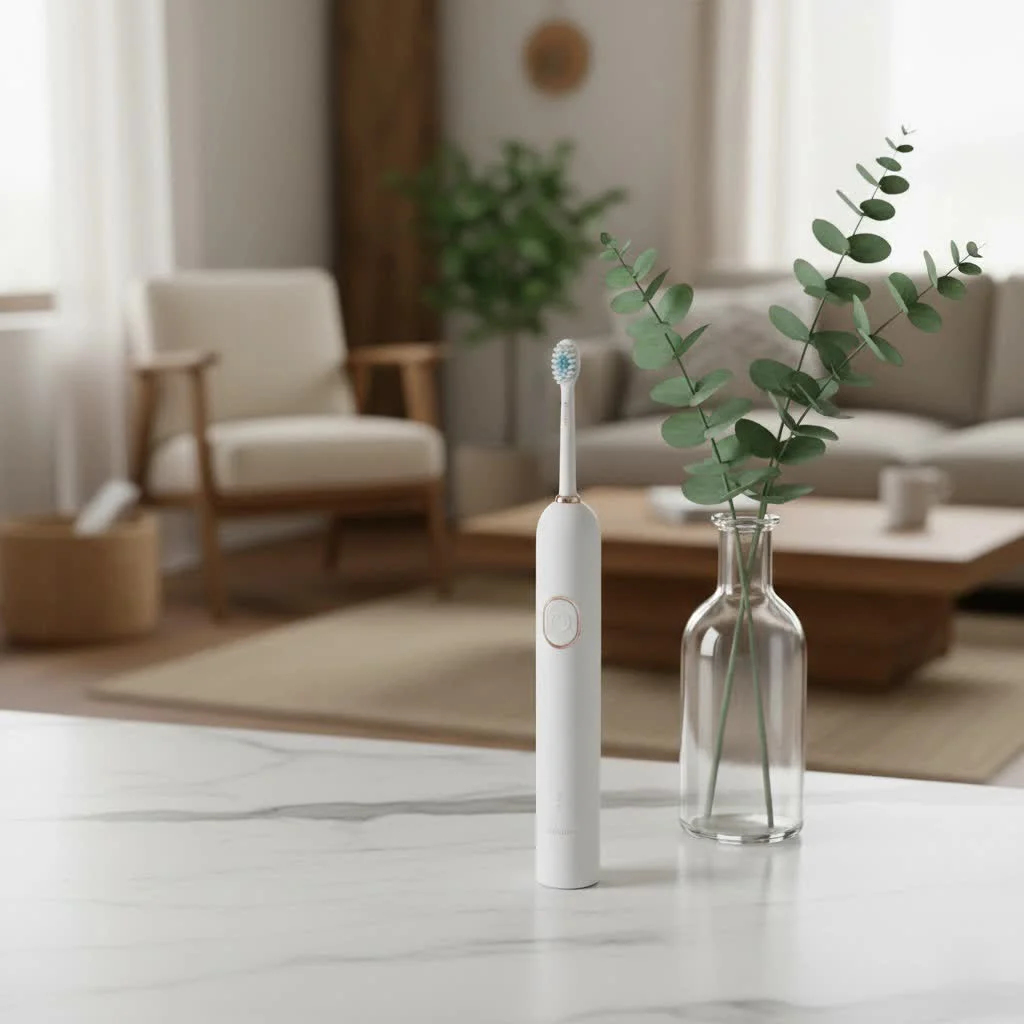
It’s not just about brushing; it’s about brushing smarter, more efficiently, and with the precision your unique oral landscape demands. Forget the days of manual brushing fatigue and missed spots. With the right electric toothbrush, you can not only maintain but significantly improve your oral hygiene, ensuring your teeth emerge from treatment radiant and healthyLet’s dive deep into how these incredible devices can improve your brushing routine and deliver that sparkling smile you’re working so hard for. For more reviews guides on this site.
Why an Electric Toothbrush is a major upgrade for Braces Wearers
Wearing braces introduces new terrains in your mouth – brackets, wires, and bands create nooks and crannies where plaque and food debris love to linger. While manual toothbrushes can do the job, they require exceptional technique, patience, and dexterity, which isn’t always easy, especially after a long day. An electric toothbrush for braces simplifies this complex task, offering a multitude of benefits that traditional brushes simply can’t match.
Superior Plaque Removal
One of the most compelling reasons to switch to an electric toothbrush is its unmatched ability to remove plaque. Electric toothbrushes perform thousands of strokes per minute, far exceeding what’s possible with a manual brush. This high-speed action, whether oscillating-rotating or sonic, efficiently dislodges plaque from tooth surfaces, along the gumline, and critically, around your orthodontic appliances. This thorough cleaning helps prevent common issues like decalcification (white spots), cavities, and gum inflammation that can often arise during orthodontic treatment.
Effortless Navigation Around Brackets and Wires
The design of many electric toothbrush heads, particularly those with smaller, round profiles or specialized orthodontic attachments, is perfectly suited for cleaning around brackets and wires. They can reach areas that manual brushes struggle with, ensuring that no surface is left untouched. This means less food trapped, less plaque accumulation, and ultimately, a cleaner mouth throughout your treatment.
Built-in Timers and Pressure Sensors for Optimal Brushing
Many electric toothbrushes come equipped with two vital features: a two-minute timer and a pressure sensor. The timer ensures you brush for the dentist-recommended duration, often with 30-second quadrant pacers to guide you through your mouth systematically. The pressure sensor is particularly beneficial for braces wearers. Brushing too hard can damage your braces or irritate your gums. A pressure sensor alerts you when you’re applying too much force, protecting both your orthodontic investment and your gum health.
Choosing the Right Electric Toothbrush for Braces
The market is brimming with electric toothbrushes, making the choice a bit overwhelming. For those with braces, specific features and technologies stand out. Understanding these can help you select the perfect electric toothbrush for braces that meets your unique needs.
Oscillating-Rotating vs. Sonic Technology: Which is Better for Braces?
|
Our Picks for the Best Electric Toothbrush in 2026
As an Amazon Associate I earn from qualifying purchases.
|
||
| Num | Product | Action |
|---|---|---|
| 1 | Philips Sonicare 4100 Series Electric Toothbrush - Sonic Toothbrush with Advanced Sonic Technology, Pressure Sensor, Two Intensity Settings, Smartimer & Quadpacer, White, Model HX3681/23 |

|
| 2 | Philips Sonicare 4100 Series Electric Toothbrush - Sonic Toothbrush with Advanced Sonic Technology, Pressure Sensor, Two Intensity Settings, Smartimer & Quadpacer, Deep Pink, Model HX3681/26 |
|
| 3 | Ultrasonic Toothbrush for Adults - Automatic Electric Toothbrush with Soft Bristles Waterproof & Washable Rechargeable Portable Design with Wireless Charging 30\'\' Timer for Travel & Home Use (White) |
|
| 4 | GRAUICI Deep Clean Rechargeable Electric Powered Toothbrush, Rechargeable Electric Toothbrush with 8 Brush Heads,Pressure Sensor to Protect Gums (White) |
|
| 5 | Oral-B Pro 1000 Rechargeable Electric Toothbrush, Black |
|
| 6 | Oral-B iO Deep Clean Rechargeable Electric Toothbrush, Black, iO Series 3 Limited, 2 Brush Heads, Travel Case, Pressure Sensor, 3 Cleaning Settings |
|
| 7 | Oral-B Pro 1000 Rechargeable Electric Toothbrush, White |
|
| 8 | Onlyone Sonic Electric Toothbrush for Adults, Rechargeable Ultrasonic Electric Toothbrush with 8 Brush Heads, Travel Case, Charging Base & Wireless Charging - 5 Modes with Smart Timer |
|
| 9 | Philips Sonicare 7300 Series Electric Toothbrush - Next-Generation Sonicare Technology, Pressure Sensor, 12 Brushing Settings, SmarTimer, BrushPacer, 21-Day Runtime, Travel Case, Black, HX7421/07 |
|
| 10 | Philips Sonicare 4100 Series Electric Toothbrush - Sonic Toothbrush with Advanced Sonic Technology, Pressure Sensor, Two Intensity Settings, Smartimer & Quadpacer, Black, Model HX3681/24 |
|
This is a common question, and both technologies offer distinct advantages.
Oscillating-Rotating Toothbrushes
These brushes feature small, round brush heads that rapidly rotate back and forth, often with pulsations.
- Pros for Braces: Their small, round heads excel at cleaning individual teeth and precisely navigating around each bracket and wire. Studies, including a 2014 Cochrane Review, have often shown oscillating-rotating models to be more effective at plaque removal than manual toothbrushes, particularly for orthodontic patients. The precise cleaning action allows the bristles to hug each tooth and bracket, scrubbing away debris.
- Examples: Oral-B iO Series, Oral-B Pro models.
Sonic Toothbrushes
Sonic toothbrushes vibrate at extremely high speeds, generating up to tens of thousands of brush strokes per minute. This creates a “dynamic fluid action” that can reach beyond the direct contact of the bristles, cleaning between teeth and along the gumline.
- Pros for Braces: They offer a gentler cleaning experience, which can be beneficial for sensitive gums, a common concern for braces wearers. The sweeping motion and fluid dynamics can help dislodge plaque and food particles even in tricky areas.
- Examples: Philips Sonicare, Burst Sonic Toothbrush.
My Take: While both are effective, many orthodontists and studies lean towards oscillating-rotating toothbrushes, like the Oral-B iO series, for braces due to their unique round brush head and precise cleaning capabilities around brackets and wires. However, sonic toothbrushes with specialized orthodontic heads are also an excellent choice, especially if you prefer a gentler feel or have sensitivity.
Essential Features to Look for
When shopping for an electric toothbrush for braces, keep these features in mind:
- Specialized Orthodontic Brush Heads: Look for brush heads specifically designed for braces. These often have a V-shaped bristle pattern or smaller profiles to better clean around brackets and wires. Oral-B offers an “Ortho Brush Head,” and many brands have similar options.
- Pressure Sensor: As mentioned, this is crucial. It protects your gums from recession and prevents damage to your orthodontic appliances by signaling when you’re pressing too hard.
- Built-in Timer and Quad Pacer: A two-minute timer with 30-second intervals for each quadrant of your mouth ensures a consistent and thorough clean every time.
- Multiple Cleaning Modes: A “sensitive” mode can be a lifesaver, especially after orthodontic adjustments when your teeth and gums might be tender.
- AI-Powered Tracking & Feedback (Optional but Highly Recommended): Advanced models, such as the Oral-B iO, connect to apps that provide real-time feedback on your brushing technique, highlighting missed spots and helping you improve your habits. This is invaluable for braces wearers who need to be extra diligent.
- Long Battery Life: A good battery ensures your brush is always ready when you need it, which is often after every meal with braces.
How to Brush Effectively with an Electric Toothbrush and Braces
Even with the best electric toothbrush, proper technique is key, especially with braces. Here’s a step-by-step guide to ensure you’re getting the most out of your brushing routine:
- Rinse First: Before you even pick up your brush, rinse your mouth thoroughly with water to dislodge any loose food particles that might be stuck in your braces.
- Apply Fluoride Toothpaste: Squeeze a pea-sized amount of fluoride toothpaste onto your electric toothbrush head. Fluoride is essential for strengthening enamel and preventing cavities, which can be a higher risk with braces.
- Divide Your Mouth into Quadrants: Mentally (or with the help of your brush’s pacer), divide your mouth into four sections: upper right, upper left, lower right, and lower left. You’ll spend 30 seconds on each.
- Position the Brush: Hold your electric toothbrush for braces at a 45-degree angle to your gumline. For the upper teeth, aim the bristles downwards towards the gumline and the top of the brackets. For the lower teeth, aim the bristles upwards towards the gumline and the bottom of the brackets.
- Clean Above and Below the Brackets: Gently guide the brush head along your gumline and then systematically move it to clean above and below each bracket. Let the electric toothbrush do the work; you just need to guide it. Move slowly from tooth to tooth, allowing the brush to clean each area for a few seconds.
- Brush All Surfaces: Ensure you brush the outer surfaces (facing your cheeks/lips), the inner surfaces (facing your tongue), and the chewing surfaces of all your teeth. Tilt the brush as needed to reach tight spots.
- Be Gentle and Thorough: to use gentle pressure, especially if your brush has a pressure sensor. Your goal is to clean, not scrub aggressively.
- Your Tongue: After brushing your teeth, gently brush your tongue to remove bacteria and freshen your breath.
- Spit, Don’t Rinse Immediately: After brushing, spit out the excess toothpaste but try not to rinse immediately. Allowing the fluoride to linger on your teeth provides additional protection.
- Supplement with Interdental Brushes and Water Flossers: An electric toothbrush for braces is powerful, but it can’t always reach every tiny crevice. Interdental brushes (tiny “Christmas tree” shaped brushes) are excellent for cleaning between wires and brackets. A water flosser can also be incredibly effective for blasting away food debris and plaque from hard-to-reach areas and promoting gum health.
Maintenance and Care for Your Braces and Electric Toothbrush
Consistent care extends beyond just brushing. Proper maintenance ensures both your oral health and the longevity of your tools.
- Replace Brush Heads Regularly: Manufacturers recommend replacing your electric toothbrush head every three months, or sooner if the bristles become frayed. Worn bristles are less effective and can damage your gums. With braces, the bristles might wear out faster due to friction with the appliances, so keep an eye on them.
- Clean Your Brush Head: After each use, rinse your brush head thoroughly under running water to remove any toothpaste residue and debris.
- Keep Your Electric Toothbrush Clean: Wipe down the handle of your electric toothbrush regularly to keep it hygienic.
- Regular Dental and Orthodontic Appointments: Continue to attend all scheduled orthodontic adjustments and regular dental check-ups and cleanings. These appointments are crucial for monitoring your progress, addressing any concerns, and receiving professional cleanings that tackle areas you might miss.
Common Questions About Electric Toothbrushes for Braces
Here at KVRTV, we get a lot of questions. Let’s tackle some of the most frequent ones regarding an electric toothbrush for braces.
Can an electric toothbrush damage my braces?
No, when used correctly, an electric toothbrush will not damage your braces. In fact, many orthodontists recommend them because they are often more effective than manual brushes for cleaning around brackets and wires. The key is to use gentle pressure (a pressure sensor helps immensely!) and to let the brush do the work, rather than scrubbing vigorously.
How often should I brush my teeth with braces?
It’s highly recommended to brush after every meal and snack, or at least twice a day for two minutes each time. Food can easily get trapped in braces, and prompt cleaning prevents plaque buildup and staining.
What kind of toothpaste should I use with braces?
Always use a fluoride toothpaste. Fluoride strengthens tooth enamel and is crucial for preventing cavities, which are a higher risk when wearing braces due to the increased areas where food and plaque can accumulate.
Do I still need to floss with an electric toothbrush and braces?
Absolutely! While an electric toothbrush significantly improves cleaning, flossing remains essential for cleaning between your teeth and under the archwire. Traditional flossing can be challenging with braces, so consider using floss threaders, orthodontic floss, or, my personal favorite, a water flosser. Water flossers are excellent at flushing out debris from tricky spots.
What if my gums bleed when I start using an electric toothbrush with braces?
Slight bleeding can sometimes occur when you first switch to an electric toothbrush, especially if your gums are inflamed from previous ineffective cleaning. If persistent, however, it could indicate gum inflammation or improper technique. Ensure you’re using gentle pressure and focusing on the gumline. If bleeding continues, consult your orthodontist or dentist.
Embracing Your Braces Journey with Confidence
Your journey with braces is an investment in a healthier, more beautiful smile. While it presents unique oral hygiene challenges, the right tools and techniques can make all the difference. An electric toothbrush for braces is more than just a gadget; it’s a powerful ally in maintaining optimal oral health throughout your orthodontic treatment.
By choosing an electric toothbrush with features like specialized brush heads, pressure sensors, and timers, and by committing to a diligent brushing routine, you’re setting yourself up for success. a clean mouth is a healthy mouth, and a healthy mouth is key to achieving that radiant smile you’ve always dreamed of. Stay consistent, stay informed, and brush on with confidence!
Frequently Asked Questions
Can an electric toothbrush cause damage to my orthodontic braces?
No, an electric toothbrush will not damage your braces when used correctly. Many orthodontists recommend them because they are often more effective than manual brushes for cleaning around brackets and wires. Using gentle pressure, often aided by a pressure sensor, is key to preventing damage.
How frequently should I brush my teeth when wearing braces?
It is highly recommended to brush after every meal and snack, or at least twice a day for two minutes each time. Food easily gets trapped in braces, and prompt cleaning prevents plaque buildup and staining, which are common issues during orthodontic treatment.
What type of toothpaste is best to use with braces?
Always use a fluoride toothpaste when you have braces. Fluoride strengthens tooth enamel and is crucial for preventing cavities, which are a higher risk due to the increased areas where food and plaque can accumulate around orthodontic appliances.
Is flossing still necessary if I use an electric toothbrush with braces?
Absolutely, flossing remains essential even with an electric toothbrush. While an electric toothbrush significantly improves cleaning, flossing is crucial for cleaning between your teeth and under the archwire. Consider using floss threaders, orthodontic floss, or a water flosser to effectively remove debris from tricky spots.
What should I do if my gums bleed after starting an electric toothbrush with braces?
Slight bleeding can sometimes occur when you first switch to an electric toothbrush, especially if your gums are inflamed from previous ineffective cleaning. If persistent, it could indicate gum inflammation or improper technique. Ensure you're using gentle pressure and focusing on the gumline; if bleeding continues, consult your orthodontist or dentist.
How to Brush Effectively with an Electric Toothbrush and Braces
This guide provides a step-by-step process for effectively brushing your teeth with an electric toothbrush while wearing braces, ensuring optimal oral hygiene.
Before brushing, rinse your mouth thoroughly with water to dislodge loose food particles. Then, apply a pea-sized amount of fluoride toothpaste onto your electric toothbrush head.
Mentally divide your mouth into four quadrants. Hold your electric toothbrush at a 45-degree angle to your gumline, aiming bristles towards the gumline and brackets for both upper and lower teeth.
Gently guide the brush head along your gumline, then systematically move it to clean above and below each bracket. Allow the electric toothbrush to do the work, moving slowly from tooth to tooth for a few seconds per area.
Ensure you brush the outer, inner, and chewing surfaces of all teeth, tilting the brush as needed for tight spots. After cleaning your teeth, gently brush your tongue to remove bacteria and freshen breath.
After brushing, spit out excess toothpaste but avoid rinsing immediately to allow fluoride to linger. Supplement your routine with interdental brushes or a water flosser to clean between wires and brackets effectively.
Get our weekly buyer guide
Practical specs, not advice. Unsubscribe anytime.
I got an electric toothbrush after reading about how much better they are for braces. It definitely helps with plaque removal, especially around the brackets. My only minor complaint is that the brush heads can be a bit pricey to replace, but I guess that’s the cost of better oral hygiene. Overall, I’m happy with the cleaner feel.
Having braces made me so self-conscious about my oral hygiene, but my new electric toothbrush has made a huge difference. The timer feature is great because it ensures I’m brushing for the full recommended time, and I’ve noticed a significant reduction in gum inflammation. My mouth feels so much fresher now, and I’m less worried about cavities.
I was really struggling to clean around my braces with a manual toothbrush, and my orthodontist kept pointing out missed spots. Switching to an electric toothbrush has been a game-changer. The pressure sensor is a lifesaver; I used to brush too hard and irritate my gums. Now, my check-ups are much better, and I feel like my teeth are actually clean.
I bought an electric toothbrush hoping it would make cleaning with braces easier, and while it does a decent job, I still find it hard to get into all the tiny spaces. The thousands of strokes per minute are impressive, but I still have to spend a lot of time on each tooth. It’s better than manual, but not the magic bullet I was hoping for.