Let’s be honest, for years we’ve been told that electric toothbrushes are the gold standard for oral hygiene. They blast away plaque, stimulate gums, and leave your mouth feeling incredibly fresh. But, as someone who’s spent over a decade deep in the world of electric toothbrushes, I’ve also seen the other side of the coin: the massive environmental footprint. With billions of plastic toothbrushes ending up in landfills each year, often taking centuries to break down, it’s clear we need a better solution. The good news? The “Sustainable Electric Toothbrush” isn’t just a buzzword; it’s a rapidly evolving reality designed to give you that sparkling clean smile without costing our planet.
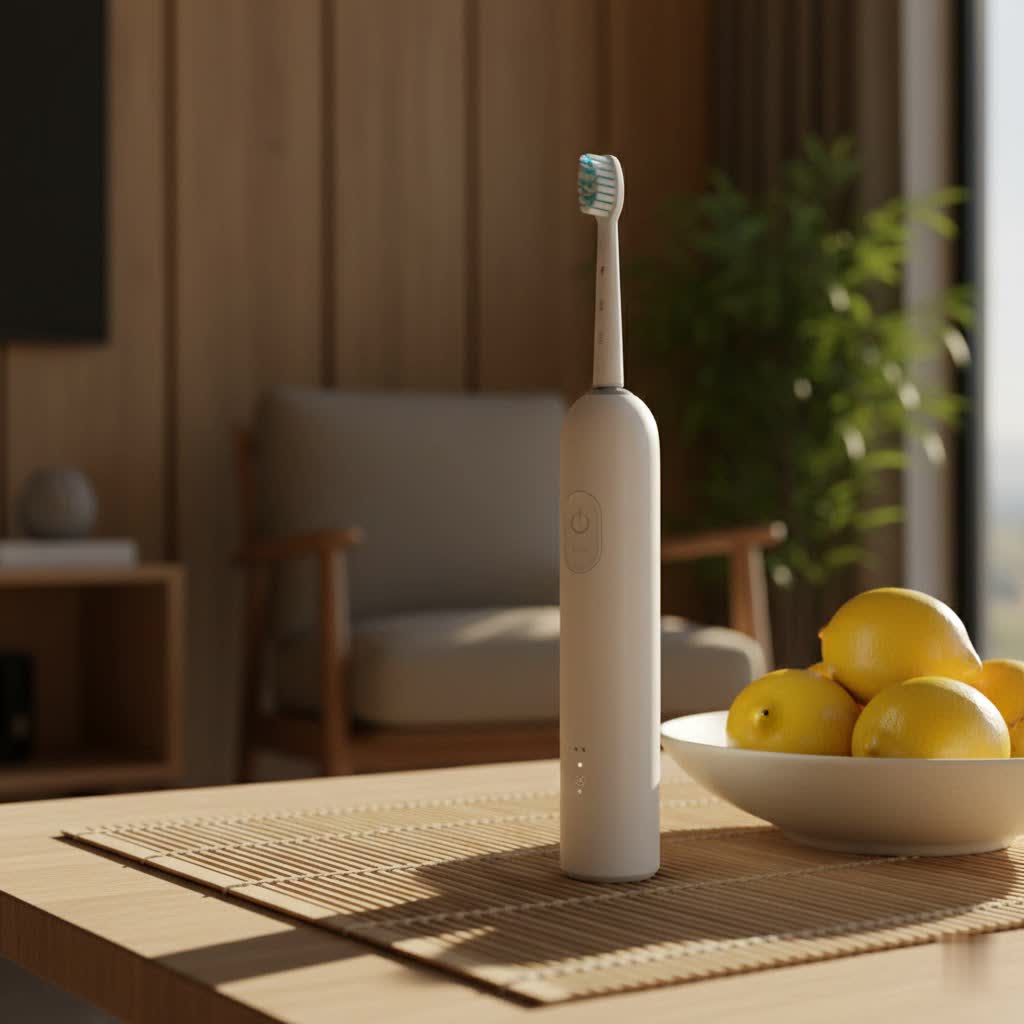
At KVRTV.com, we believe that informed choices lead to healthier habits, both for you and for Mother Earth. That’s why we’re diving deep into the world of sustainable electric toothbrushes, helping you navigate the options, understand their true impact, and ultimately find the perfect eco-friendly brushing companion.
The Sustainable Smile: Why Choose an Eco-Friendly Electric Toothbrush?
You know the feeling after a thorough brush with an electric toothbrush—that smooth, dentist-clean sensation. And dental professionals often recommend them for superior plaque removal and improving gum health compared to manual brushing. But here’s the kicker: a typical plastic manual toothbrush contributes to a mountain of waste, with many components persisting in landfills for hundreds of years. This is where the innovation in sustainable electric toothbrushes truly shines. They aim to deliver all the renowned oral health benefits while dramatically reducing your environmental impact. It’s about getting the best clean for your teeth and making a conscious choice for the planet.
Decoding Sustainability: What Really Makes an Electric Toothbrush Eco-Friendly?
Navigating the claims of “eco-friendly” can feel like a minefield, but when it comes to a sustainable electric toothbrush, a few key areas truly define its green credentials. It’s more than just a marketing slogan; it’s about the entire lifecycle of the product.
Materials Matter: Beyond Plastic
The biggest leap towards sustainability in electric toothbrushes comes from the materials used for both the handle and, crucially, the replaceable brush heads. Forget the days of petroleum-based plastics dominating every component.
- Handles: We’re seeing exciting developments here. Brands like SURI are crafting sleek, durable handles from aluminum, designed not only to last but also to be repairable. Other innovators, such as Smyle and Happybrush, are utilizing recycled plastics, while Sustainable Tomorrow offers handles made from durable, recyclable plastic with an elegant bamboo-like finish. These choices move us away from virgin plastics, significantly reducing resource consumption.
- Brush Heads: This is arguably the most impactful area. Instead of traditional plastic, many sustainable brands now offer heads made from cornstarch bioplastic, a material derived from renewable plant sources. Bristles are also evolving, with options like castor bean oil bristles becoming increasingly common (found in SURI, Etee, and Sustainable Tomorrow models). These plant-based bristles provide an effective cleaning experience while being a far more responsible alternative to nylon. Even innovative solutions like silicone bristles, as seen in Foreo toothbrushes, offer extended durability and enhanced hygiene, reducing replacement frequency.
|
Our Picks for the Best Electric Toothbrush in 2026
As an Amazon Associate I earn from qualifying purchases.
|
||
| Num | Product | Action |
|---|---|---|
| 1 | Onlyone Sonic Electric Toothbrush for Adults, Rechargeable Ultrasonic Electric Toothbrush with 8 Brush Heads, Travel Case, Charging Base & Wireless Charging - 5 Modes with Smart Timer |

|
| 2 | Oral-B iO Deep Clean Rechargeable Electric Toothbrush, Black, iO Series 3 Limited, 2 Brush Heads, Travel Case, Pressure Sensor, 3 Cleaning Settings |
|
| 3 | Philips Sonicare 4100 Series Electric Toothbrush - Sonic Toothbrush with Advanced Sonic Technology, Pressure Sensor, Two Intensity Settings, Smartimer & Quadpacer, Deep Pink, Model HX3681/26 |
|
| 4 | Oral-B Pro 1000 Rechargeable Electric Toothbrush, Black |
|
| 5 | Philips Sonicare 4100 Series Electric Toothbrush - Sonic Toothbrush with Advanced Sonic Technology, Pressure Sensor, Two Intensity Settings, Smartimer & Quadpacer, Black, Model HX3681/24 |
|
| 6 | Philips Sonicare 7300 Series Electric Toothbrush - Next-Generation Sonicare Technology, Pressure Sensor, 12 Brushing Settings, SmarTimer, BrushPacer, 21-Day Runtime, Travel Case, Black, HX7421/07 |
|
| 7 | GRAUICI Deep Clean Rechargeable Electric Powered Toothbrush, Rechargeable Electric Toothbrush with 8 Brush Heads,Pressure Sensor to Protect Gums (White) |
|
| 8 | Oral-B Pro 1000 Rechargeable Electric Toothbrush, White |
|
| 9 | Ultrasonic Toothbrush for Adults - Automatic Electric Toothbrush with Soft Bristles Waterproof & Washable Rechargeable Portable Design with Wireless Charging 30\'\' Timer for Travel & Home Use (White) |
|
| 10 | Philips Sonicare 4100 Series Electric Toothbrush - Sonic Toothbrush with Advanced Sonic Technology, Pressure Sensor, Two Intensity Settings, Smartimer & Quadpacer, White, Model HX3681/23 |
|
While the quest for fully biodegradable bristles is ongoing, with some castor oil bristles still needing a small percentage of nylon for optimal performance, these advancements mark significant progress. As Dr. Evelyn Reed, a leading expert in biomaterials for oral care, often says, “Every step away from virgin plastic and towards plant-based or recycled materials is a victory for our planet, even if the journey to 100% perfect biodegradability is still underway.”
Longevity & Lifecycle: Designed to Last
A truly sustainable electric toothbrush isn’t just about the materials; it’s about how long it serves you and how its components are managed throughout its life.
- Repairability and Modular Design: Brands like SURI are pioneering repairable designs, ensuring that if a part fails, the entire unit doesn’t become e-waste. This modular approach drastically extends the product’s lifespan.
- Replaceable Heads: This is a non-negotiable feature for sustainability. Instead of discarding an entire toothbrush, you simply replace the small brush head, minimizing waste.
- Long-Lasting Rechargeable Batteries: An efficient, long-life battery is critical. Smyle impresses with an astonishing 120-day battery life, while SURI offers 40 days, and Foreo boasts an incredible 365 days on a single charge. Longer battery life means less frequent charging, reducing energy consumption and the stress on the power grid.
Packaging & Disposal: Closing the Loop
From the moment it arrives at your door to its eventual retirement, a sustainable electric toothbrush considers its environmental impact.
- Minimal and Eco-Friendly Packaging: Look for plastic-free, recyclable, or compostable packaging. Brands like Sustainable Tomorrow and Georganics prioritize this, ensuring that even the box your toothbrush arrives in leaves minimal impact.
- Brand Recycling Programs: Some forward-thinking companies, like SURI, offer free recycling programs for their used brush heads in specific regions (UK/US), actively closing the loop on waste. Georganics also partners with TerraCycle for a “Zero To Landfill” initiative for their brush heads. These programs are crucial for components that might not be easily compostable at home.
- E-waste Considerations: While electric toothbrushes inherently contain electronics and batteries, contributing to e-waste, reputable sustainable brands are working to minimize this through durable designs, repairability, and offering guidance on responsible disposal and recycling of the entire unit at the end of its life.
The Carbon Footprint Conundrum: Electric vs. Manual Toothbrushes
The environmental impact debate between electric and manual toothbrushes can be complex, and it’s essential to look beyond the surface.
Initially, an electric toothbrush carries a significantly higher carbon footprint from manufacturing due to its battery, motor, and intricate electronic components. The lithium battery alone can account for 40% of these initial production emissions. Compared to a manual plastic toothbrush (0.5-1 kg CO2e over 5 years) or a bamboo manual brush (0.1-0.3 kg CO2e), a plastic electric toothbrush might generate around 15-25 kg CO2e during its creation. Over a 5-year lifespan, this could mean an electric toothbrush has a carbon footprint of about 47.9 kg CO2e, versus 25.6 kg CO2e for a plastic manual one.
However, this isn’t the whole story. Electric toothbrushes with replaceable, sustainable heads can actually reduce plastic waste by up to 70% over a five-year period when compared to continuously replacing entire manual plastic toothbrushes. More importantly, the superior cleaning power of electric toothbrushes can lead to better oral health, potentially preventing expensive and carbon-intensive dental procedures. For instance, a single dental filling can generate approximately 14.75 kg CO2e. If an electric toothbrush helps you prevent just one or two cavities over five years, it can effectively offset its initial higher carbon emissions, proving its worth beyond just daily cleaning.
While charging requires electricity (15-30 kWh over a 3-year lifespan, contributing 10-25 kg CO2 depending on the energy source), modern sustainable models prioritize energy efficiency, often needing charges only every few weeks. The key lies in the balance: the manufacturing impact is higher, but the waste reduction from replaceable heads and the potential for improved oral health (and thus reduced dental interventions) can create a net positive.
Top Picks for a Greener Clean: Sustainable Electric Toothbrush Brands We Trust
As an expert who’s seen countless models come and go, I can tell you that these brands are truly making strides in the sustainable electric toothbrush space:
- SURI (Sustainable Rituals): A real game-changer. SURI features an aluminum body that’s built to last and designed for repair. Their plant-based brush heads, made from cornstarch and castor oil bristles, can even be sent back for free recycling in the UK and US, showcasing a genuine commitment to circularity. Plus, its compact design and 40-day battery life make it a practical choice for home use.
- Smyle: If battery life is your top priority, Smyle is impressive with an incredible 120 days on a single charge. Their handles are made from recycled materials, and the heads feature bamboo with castor bean bristles. While the bamboo feel isn’t for everyone, it’s a solid eco-friendly alternative for those outside the UK/US where SURI’s recycling isn’t available.
- Sustainable Tomorrow (Zen Bamboo Electric Toothbrush): This brand emphasizes natural materials with compostable bamboo brush heads and castor bean oil bristles. The handle, while resembling bamboo, is crafted from recyclable ABS plastic for durability and waterproofing, a smart engineering choice. It offers five cleaning modes and a 30-day battery life, all wrapped in zero-waste packaging.
- Etee: Known for their broader plastic-free initiatives, Etee offers an electric toothbrush with 98% bamboo brush heads and castor bean oil bristles. Their body and charging dock are fully recyclable, and they even power their factory with renewable energy, highlighting a holistic approach to sustainability.
- Foreo ISSA: A unique contender, the Foreo ISSA uses medical-grade silicone for its body and bristles. This material is highly hygienic, durable, and the bristles are designed to last significantly longer than traditional nylon, reducing the frequency of head replacement. The ISSA boasts an astonishing 365-day battery life, making it incredibly convenient and energy efficient.
| Feature | SURI | Smyle | Sustainable Tomorrow | Etee | Foreo ISSA |
|---|---|---|---|---|---|
| Handle Material | Aluminum | Recycled Plastic | Recycled Plastic (Bamboo Finish) | Recyclable Body | Silicone |
| Head Material | Cornstarch/Castor Oil | Bamboo/Castor Oil | Bamboo/Castor Oil | Bamboo/Castor Oil | Silicone |
| Battery Life | 40 days | 120 days | 30 days | 30 days | 365 days |
| Recycling Prog. | UK/US return | Recycled Handle | Compostable Heads | Recyclable Body | Durable, Long-lasting |
| Certifications | B Corp | – | Certified Bamboo | Certified Bamboo | – |
Making the Switch: Tips for Sustainable Brushing Habits
Transitioning to a sustainable electric toothbrush is a fantastic step, and here’s how to make it seamless and genuinely impactful:
How to Choose the Best Eco-Friendly Electric Toothbrush
- Prioritize Materials: Look for handles made from recycled aluminum or recycled plastics, and most importantly, brush heads from plant-based materials like cornstarch bioplastic or bamboo with castor oil bristles.
- Check for Replaceable Heads: This is fundamental. Ensure the brand offers readily available, sustainably made replacement heads.
- Consider Battery Life: Longer battery life means fewer charges, less energy consumption, and less hassle.
- Look for Recycling Programs: Brands that offer take-back programs for used brush heads or units demonstrate a higher commitment to sustainability.
- Seek Certifications: Certifications like B Corp or Climate Neutral can indicate a brand’s holistic commitment to environmental and social responsibility.
- Read Reviews: Like any purchase, see what other users are saying about cleaning effectiveness, durability, and the actual “feel” of unique materials like bamboo heads.
Proper Use and Maintenance for Longevity
To maximize the sustainability of your electric toothbrush, treat it well:
- Follow Charging Guidelines: Don’t overcharge, and unplug when full to conserve energy.
- Store Properly: Keep your brush in a dry place to prevent wear and tear, especially for bamboo components which can be susceptible to mold if left wet.
- Regular Head Replacement: Dentists recommend replacing brush heads every 2-3 months for optimal hygiene and effectiveness. For compostable heads, ensure you follow the brand’s specific composting instructions.
Responsible Disposal
When your brush head or even the entire unit reaches the end of its life, proper disposal is key:
- Brush Heads: For bamboo or plant-based heads, check if they are home compostable or require industrial composting. Some brands provide mail-back programs for recycling.
- Electric Unit: Never throw the main electric toothbrush handle in general waste. Its electronic components and battery need to be recycled as e-waste. Many electronics recycling centers accept these, or check if the brand offers a specific take-back program.
Frequently Asked Questions
Are bamboo electric toothbrushes truly sustainable?
Yes, bamboo electric toothbrushes are generally more sustainable because bamboo is a fast-growing, renewable resource that requires no pesticides or fertilizers to grow. Their heads are often compostable, reducing plastic waste compared to traditional options. However, consider the handle material (some are plastic with a bamboo finish) and the transportation footprint if sourced from far away.
What are castor oil bristles?
Castor oil bristles are a plant-based alternative to traditional nylon bristles, made from the oil of the castor bean plant. They are often biodegradable and offer a more eco-friendly solution to petroleum-based plastics, providing a soft yet effective cleaning experience.
How often should I replace sustainable electric toothbrush heads?
Most dentists, and sustainable toothbrush brands, recommend replacing your brush head every 2 to 3 months, or sooner if the bristles appear frayed. This ensures optimal cleaning efficacy and hygiene.
Can I recycle my old electric toothbrush?
The entire electric toothbrush unit, including its battery and electronic components, should be recycled as e-waste, not thrown in regular trash. Many brands also offer specific recycling programs for their brush heads, especially those made from plant-based materials or aluminum. Check with your local recycling facility or the manufacturer for guidance.
Is the higher cost of a sustainable electric toothbrush worth it?
While the initial investment in a sustainable electric toothbrush might be higher than a manual one, many users find the long-term benefits—superior oral health, reduced need for dental work, and significantly lower environmental impact from plastic waste—make it a worthwhile investment for both your health and the planet.
Do sustainable electric toothbrushes clean as well as traditional electric toothbrushes?
Absolutely! Sustainable electric toothbrushes utilize the same advanced sonic or oscillating technology as their traditional counterparts, delivering powerful vibrations and effective plaque removal. Brands like SURI, Smyle, and Happybrush are praised for their strong cleaning performance, proving that you don’t have to sacrifice oral hygiene for sustainability.
A Brighter, Greener Smile Awaits
Making the switch to a sustainable electric toothbrush is more than just a personal choice; it’s a statement. It’s an acknowledgment that our daily routines, no matter how small, have a ripple effect on the world around us. With advancements in materials, design, and recycling programs, it’s easier than ever to enjoy the unparalleled cleaning power of an electric toothbrush while significantly reducing your environmental footprint. You’re not just cleaning your teeth; you’re investing in a healthier future. So, go ahead, explore the options, find the sustainable electric toothbrush that fits your lifestyle, and brush your way to a brighter smile and a greener planet. Your smile, and the Earth, will thank you for it.
