Stepping into the world of electric toothbrushes can feel like unlocking a secret weapon for your oral health. As an expert with over a decade in the field, and a content creator for KVRTV.com, I’ve seen firsthand how the right electric toothbrush can transform brushing routines from a chore into a highly effective, confidence-boosting experience. For adults seeking to elevate their dental care, choosing the best electric toothbrush for adults isn’t just about picking a gadget; it’s about investing in a healthier, brighter smile that lasts a lifetime.
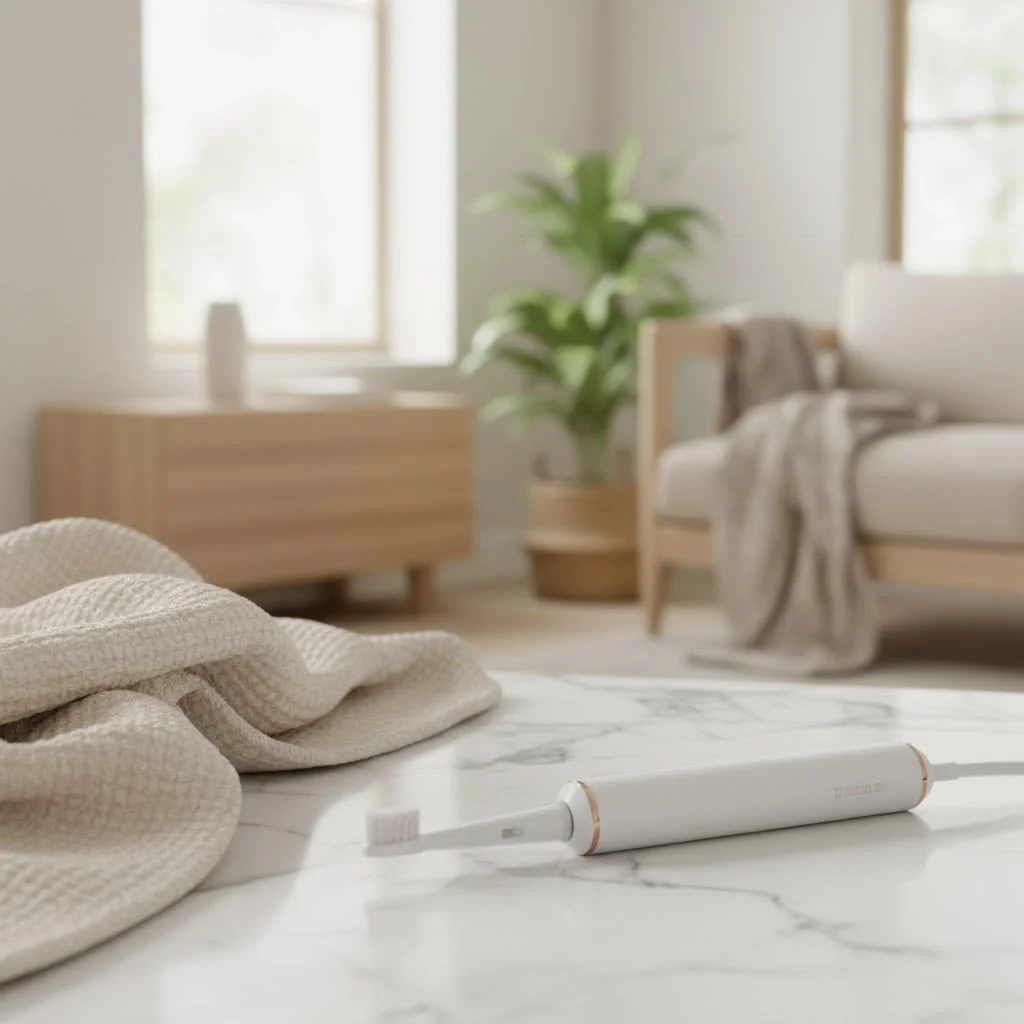
Forget the days of manual scrubbing! Electric toothbrushes are designed to do the hard work for you, offering superior plaque removal, built-in timers, and smart pressure sensors that manual brushes simply can’t match. This guide will cut through the noise, demystify the technology, and help you pinpoint the perfect electric toothbrush to meet your unique needs.
Why Make the Switch? The Unbeatable Benefits of Electric Toothbrushes
If you’re still relying on a manual toothbrush, you’re missing out on a significant upgrade to your oral hygiene. Electric toothbrushes offer a multitude of advantages that make them a game-changer for adults:
- Superior Plaque Removal: Numerous studies consistently show that electric toothbrushes are significantly more effective at removing plaque and reducing gingivitis (gum inflammation) compared to manual brushes. Their powered movements reach areas often missed by hand, delivering a deeper clean.
- Built-in Timers and Quadrant Pacers: Most electric toothbrushes come equipped with a two-minute timer, often with 30-second intervals (known as a quad pacer). This ensures you brush for the dentist-recommended duration, systematically cleaning all four quadrants of your mouth, taking the guesswork out of your routine.
- Pressure Sensors for Gum Protection: A common mistake with manual brushing is applying too much pressure, which can damage gums and enamel. Many electric models feature pressure sensors that alert you when you’re brushing too hard, helping to protect your oral tissues from unnecessary harm.
- Ease of Use: Electric toothbrushes do most of the work, making them ideal for individuals with limited dexterity or anyone seeking a more effortless yet effective clean. You simply guide the brush head along your teeth, allowing the technology to shine.
Decoding the Technology: Sonic vs. Oscillating-Rotating
The electric toothbrush market is primarily divided into two main technological camps: sonic and oscillating-rotating. Understanding how each works is crucial for finding the best electric toothbrush for adults tailored to your preferences.
Sonic Toothbrushes: The Wave of Clean
|
Our Picks for the Best Electric Toothbrush in 2026
As an Amazon Associate I earn from qualifying purchases.
|
||
| Num | Product | Action |
|---|---|---|
| 1 | Onlyone Sonic Electric Toothbrush for Adults, Rechargeable Ultrasonic Electric Toothbrush with 8 Brush Heads, Travel Case, Charging Base & Wireless Charging - 5 Modes with Smart Timer |

|
| 2 | Ultrasonic Toothbrush for Adults - Automatic Electric Toothbrush with Soft Bristles Waterproof & Washable Rechargeable Portable Design with Wireless Charging 30\'\' Timer for Travel & Home Use (White) |
|
| 3 | Philips Sonicare 4100 Series Electric Toothbrush - Sonic Toothbrush with Advanced Sonic Technology, Pressure Sensor, Two Intensity Settings, Smartimer & Quadpacer, Deep Pink, Model HX3681/26 |
|
| 4 | Oral-B Pro 1000 Rechargeable Electric Toothbrush, White |
|
| 5 | Oral-B Pro 1000 Rechargeable Electric Toothbrush, Black |
|
| 6 | Oral-B iO Deep Clean Rechargeable Electric Toothbrush, Black, iO Series 3 Limited, 2 Brush Heads, Travel Case, Pressure Sensor, 3 Cleaning Settings |
|
| 7 | Philips Sonicare 4100 Series Electric Toothbrush - Sonic Toothbrush with Advanced Sonic Technology, Pressure Sensor, Two Intensity Settings, Smartimer & Quadpacer, White, Model HX3681/23 |
|
| 8 | Philips Sonicare 7300 Series Electric Toothbrush - Next-Generation Sonicare Technology, Pressure Sensor, 12 Brushing Settings, SmarTimer, BrushPacer, 21-Day Runtime, Travel Case, Black, HX7421/07 |
|
| 9 | GRAUICI Deep Clean Rechargeable Electric Powered Toothbrush, Rechargeable Electric Toothbrush with 8 Brush Heads,Pressure Sensor to Protect Gums (White) |
|
| 10 | Philips Sonicare 4100 Series Electric Toothbrush - Sonic Toothbrush with Advanced Sonic Technology, Pressure Sensor, Two Intensity Settings, Smartimer & Quadpacer, Black, Model HX3681/24 |
|
Imagine a tiny, expertly trained cleaner sending out invisible cleaning waves that dislodge plaque even beyond where the bristles touch. That’s the essence of a sonic toothbrush.
- How They Work: Sonic toothbrushes use high-frequency, high-amplitude vibrations, typically operating at speeds of 20,000 to 40,000+ strokes per minute. This rapid vibration creates “fluid dynamics,” generating tiny cleaning waves from water, saliva, and toothpaste that can reach into crevices, between teeth, and just below the gum line, disrupting and sweeping away plaque and food particles.
- Pros: They are excellent for gentle cleaning, making them ideal for those with sensitive gums or receding gum lines. Their fluid action is also generally easier to navigate around orthodontic brackets, crowns, and veneers. Users often find them quieter in operation and appreciate the broad coverage of their elongated brush heads.
- Cons: The intense vibrations can feel ticklish or unusual initially, though most users adapt quickly. They require a gentle gliding motion rather than aggressive scrubbing.
Oscillating-Rotating Toothbrushes: Precision Scrubbing
If the sonic brush is like a precision cleaning wave, the oscillating-rotating brush is like a dedicated, powerful scrub brush for each tooth.
- How They Work: These toothbrushes feature a small, round brush head that rapidly rotates back and forth (oscillates) while simultaneously pulsating in and out. This “3D cleaning action” is designed to hug each tooth individually, mechanically scrubbing away plaque at speeds up to 8,800 rotations and 40,000 pulsations per minute. This ensures comprehensive, tooth-by-tooth coverage.
- Pros: Many studies, including systematic reviews, suggest a small but clinically relevant significant difference in favor of oscillating-rotating toothbrushes for reducing plaque and gingivitis. Their “cup-each-tooth” method can feel intuitive for many users, offering a strong, direct clean.
- Cons: They can be louder due to their mechanical action. Without a pressure sensor, there’s a higher potential for over-brushing, which can lead to gum recession or enamel wear. The smaller head can also be trickier to maneuver around extensive orthodontic hardware, though specialized brush heads are available.
The Verdict: Which One Is Best for You?
Both sonic and oscillating-rotating electric toothbrushes are vastly superior to manual brushing. The choice ultimately comes down to your personal preferences and specific oral health needs. As dentists often emphasize, the best electric toothbrush for adults is truly the one you’ll use consistently and correctly.
Dr. Amelia Thompson, a leading dental hygienist and KVRTV.com’s resident oral care specialist, advises, “Don’t get bogged down in the ‘sonic vs. oscillating’ debate. Both technologies are incredibly effective. The most crucial factor is finding a brush that feels comfortable and motivates you to maintain a consistent, thorough brushing routine every single day.”
Essential Features: What to Look for in Your Next Electric Toothbrush
Beyond the core technology, several features can significantly enhance your brushing experience and oral health outcomes.
Timers and Pacers
A non-negotiable feature! A two-minute timer ensures you meet the recommended brushing duration. Many models also include a 30-second quad pacer, which pulses to signal when to move to the next section of your mouth, guaranteeing even coverage.
Pressure Sensors
This is a vital safeguard for your gums and enamel. A pressure sensor alerts you—often with a light or vibration—when you’re pressing too hard, preventing potential damage. Some advanced models, like the Oral-B iO series, even have highly sensitive sensors that activate with less than 200g of force, retraining aggressive brushers effectively.
Multiple Cleaning Modes
While not strictly necessary for everyone, various cleaning modes can be beneficial. Common modes include “Daily Clean,” “Sensitive,” “Gum Care,” and “Whitening.” These typically adjust the intensity and speed of vibrations, allowing you to customize your experience for specific needs. For example, a “Sensitive” mode uses less power, offering a gentler clean for delicate gums.
Battery Life
For convenience, especially when traveling, look for a brush with a long-lasting battery. Many modern electric toothbrushes offer between one to three weeks of usage on a single charge. Some eco-friendly options, like the SURI toothbrush, boast over four weeks of battery life, making them excellent travel companions.
Brush Head Compatibility and Types
The brush head is where the magic happens. Look for models compatible with various head types. Generally, soft to medium bristles are recommended to effectively remove plaque while being gentle on teeth and gums. Round heads (common in oscillating-rotating brushes) offer focused, tooth-by-tooth cleaning, while elongated heads (typical for sonic brushes) provide broader coverage.
Smart Features (Optional but Beneficial)
For the tech-savvy, many premium electric toothbrushes offer smart connectivity via Bluetooth to smartphone apps. These apps provide real-time feedback, track your brushing patterns, highlight missed spots, and offer personalized insights to improve your technique. Some even feature AI-driven brush tracking and can adjust intensity based on pressure. While not essential, these features can be powerful educational and motivational tools.
Ergonomics and Design
A comfortable handle and a waterproof design are important for usability and maintenance. Wider handles can be easier to grip, and a fully waterproof brush simplifies cleaning.
Top Picks for Every Adult
Based on extensive testing and professional recommendations, here are some of the best electric toothbrush for adults across various categories:
- Best Overall: Oral-B iO Series 8/10
These brushes represent the pinnacle of electric toothbrush technology, offering an exceptional clean, quiet operation, and advanced features like AI tracking, interactive color displays, and highly sensitive pressure sensors. The iO8 is often praised for its ultimate cleaning performance and features, while the iO10 boasts a smart charger with real-time feedback. - Best Value: Oral-B iO Series 3 / Oral-B Pro 1000
For those seeking premium cleaning technology without the premium price tag, the Oral-B iO Series 3 offers magnetic iO tech at an accessible price point, providing top-level plaque removal. The Oral-B Pro 1000 is another budget-friendly favorite, known for its competitive price, cleaning power, and ADA acceptance. - Best for Sensitive Teeth/Gums: Oral-B iO Series 5 / Philips Sonicare ProtectiveClean
The Oral-B iO Series 5 is an excellent choice for sensitive teeth, thanks to its specialized sensitivity modes and gentle brushing experience. Philips Sonicare ProtectiveClean models are also highly recommended for their gentle yet thorough sonic action, effectively cleaning while protecting sensitive areas. - Best for Sustainability: SURI Sustainable Toothbrush (SURI 2.0)
The SURI Sustainable Toothbrush stands out for its eco-friendly design, featuring plant-based and recyclable brush heads and a long-lasting battery. The updated SURI 2.0 also includes a crucial pressure sensor, making it a stylish and environmentally conscious choice without compromising cleaning power. - Best Sonic Option: Philips Sonicare DiamondClean 9000
If you prefer sonic technology, the Sonicare DiamondClean 9000 is a top contender. It excels at removing surface stains, promoting whiter teeth, and offers gentle sonic motion with app connectivity and multiple cleaning modes and intensity levels.
Mastering Your Electric Toothbrush: Tips for Optimal Results
Having the best electric toothbrush for adults is only half the battle; knowing how to use it correctly ensures you get the most out of its advanced capabilities.
Proper Brushing Technique
- For Sonic Toothbrushes: Glide, don’t scrub. Hold the brush at a 45-degree angle to your gum line and gently glide the brush head over each tooth. Let the high-frequency vibrations and fluid dynamics do the work, focusing on all surfaces.
- For Oscillating-Rotating Toothbrushes: Cup each tooth. Place the small, round brush head directly onto one tooth, allowing it to cup the tooth surface. Hold for a few seconds, then systematically move to the next tooth. Again, avoid vigorous scrubbing.
Replace Brush Heads Regularly
Worn bristles are less effective at cleaning. Dentists recommend replacing your electric toothbrush head every three to four months, or sooner if the bristles appear frayed or discolored.
Don’t Forget to Floss!
While electric toothbrushes are excellent at cleaning tooth surfaces, they cannot effectively clean between your teeth and just below the gum line where plaque and food particles hide. Flossing (or using interdental brushes) remains an essential complementary step for a complete oral hygiene routine.
Regular Dental Check-ups
Even with the best electric toothbrush, consistent daily habits must be paired with regular professional check-ups and cleanings. Your dentist can provide personalized advice and ensure your oral health is on track.
Expert Insight: Dr. Amelia Thompson on Choosing Your Perfect Brush
“Many adults ask me which electric toothbrush is ‘the best’,” says Dr. Amelia Thompson, a renowned dental hygienist and KVRTV.com’s lead oral care content creator. “My advice is always to prioritize comfort and consistency. A toothbrush with a pressure sensor is non-negotiable for gum health, and a timer is fundamental. Beyond that, whether you prefer sonic’s gentle hum or oscillating-rotating’s focused scrub, the key is finding a device that motivates you to brush thoroughly, twice a day, every day. It’s about building a sustainable habit, not just buying the most expensive model.”
FAQs About Electric Toothbrushes for Adults
Are electric toothbrushes safe for my gums and enamel?
Yes, when used correctly, electric toothbrushes are safe and often safer than manual brushes. The built-in pressure sensors are specifically designed to prevent over-brushing, which can lead to gum recession and enamel wear.
How often should I replace my electric toothbrush head?
Dentists recommend replacing your electric toothbrush head every three to four months, or sooner if the bristles appear frayed or worn. Worn bristles are less effective at cleaning.
Do I still need to floss if I use an electric toothbrush?
Absolutely, yes! Electric toothbrushes excel at cleaning tooth surfaces, but they cannot effectively clean between your teeth and just below the gum line where plaque and food particles hide. Flossing or using interdental brushes is crucial for a comprehensive clean.
Why do my gums sometimes bleed when I switch to an electric toothbrush?
A little initial bleeding can occur as your gums adjust to the new cleaning intensity, especially if you had existing plaque buildup. This should subside within a week or two as your gum health improves. If bleeding persists or is heavy, consult your dentist.
Is a more expensive electric toothbrush always better?
Not necessarily. While premium models offer advanced features like AI tracking and multiple modes, the fundamental cleaning action of basic electric toothbrushes from reputable brands is often excellent. Consistency of use and proper technique are more important than an inflated price tag.
Conclusion
Choosing the best electric toothbrush for adults is a significant step towards achieving and maintaining optimal oral health. By understanding the differences between sonic and oscillating-rotating technologies, recognizing essential features like timers and pressure sensors, and applying proper brushing techniques, you can make an informed decision that will benefit your smile for years to come.
Whether you prioritize gentle cleaning, superior plaque removal, budget-friendliness, or advanced smart features, there’s a perfect electric toothbrush waiting for you. Invest in this essential tool, commit to your daily oral hygiene, and enjoy the confidence of a healthier, brighter smile. Your mouth will thank you!
Get our weekly buyer guide
Practical specs, not advice. Unsubscribe anytime.

I appreciate the detailed breakdown of electric toothbrushes, but I found that some of the higher-end models were a bit out of my budget. While the guide did mention different price ranges, I wish there were more recommendations for really affordable options that still offer good features. The one I got is okay, but I feel like I compromised a bit too much.
This guide was exactly what I needed! I’ve always struggled with knowing if I was brushing effectively, and the mention of superior plaque removal really resonated with me. My dentist has even noticed an improvement in my gum health since I switched to an electric toothbrush. It’s truly an investment in a healthier smile.
I’ve been using an electric toothbrush for a while, but I was curious about the newer models. This guide gave me some great insights into the different brands and their specific features. I ended up trying one of the mid-range options mentioned, and I’m really happy with the plaque removal. It’s a solid upgrade from my old one.
I finally upgraded to an electric toothbrush after years of using a manual one, and wow, what a difference! The guide really helped me understand the benefits of the built-in timers and pressure sensors. My teeth feel so much cleaner, and I’m not over-brushing anymore. Definitely a game-changer for my oral health.