Battery-powered electric toothbrushes are oral hygiene devices that use disposable AA or AAA batteries to power their brushing action, offering a unique blend of convenience, affordability, and effective cleaning. They are particularly beneficial for travelers, those new to electric brushing, or individuals seeking a simple, no-fuss option. These brushes provide a significant upgrade over manual brushing by delivering consistent, powered movements, making them a practical choice for maintaining oral hygiene on the go.
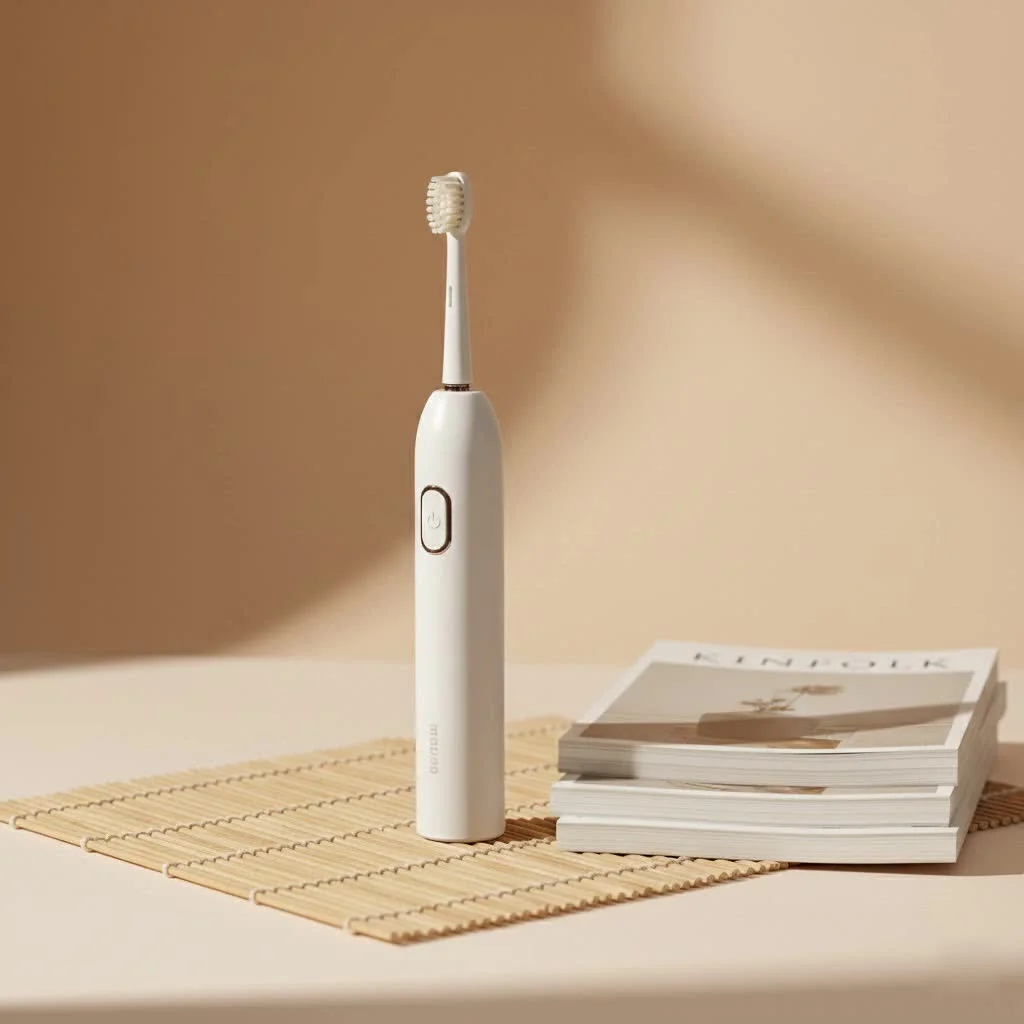
While rechargeable models often receive more attention, battery-powered brushes are a fantastic choice for many users. Understanding their advantages and limitations is key to confidently choosing and using oneLet’s explore everything you need to know about these practical oral care tools.
What Exactly is a Battery-Powered Electric Toothbrush?
At its core, a battery-powered electric toothbrush is an oral hygiene device that uses disposable batteries, typically AA or AAA cells, to power its brushing action. Unlike their rechargeable counterparts that plug into a wall or a charging dock, these brushes get their energy from readily available, replaceable batteries.
Think of it as the straightforward, no-frills workhorse of the electric toothbrush family. They usually feature a simple on/off button and often provide a basic vibration or pulsation to enhance your brushing efforts. While they might not boast all the high-tech bells and whistles of a premium rechargeable model, their design emphasizes portability and ease of use, making them incredibly practical for certain lifestyles. They still offer a significant upgrade over manual brushing by providing consistent, powered movements that manual brushing simply can’t replicate.
The Bright Side: Advantages of Battery-Powered Electric Toothbrushes
From my extensive experience, it’s clear that battery-powered electric toothbrushes offer a compelling set of benefits that make them incredibly attractive.
Unbeatable Portability for Life On-The-Go
This is where battery-powered brushes truly shine. Imagine you’re on a long camping trip, backpacking through remote areas, or simply traveling without access to power outlets. A battery-powered electric toothbrush is your best friend. There’s no bulky charger to no worrying about finding a compatible socket. When the power dwindles, you simply pop in new AA or AAA batteries, and you’re good to go. This makes them an absolute major upgrade for maintaining excellent oral hygiene no matter where your adventures take you.
An Accessible Price Point
For many, the initial cost of a high-end rechargeable electric toothbrush can be a barrier. Battery-powered models offer a much more budget-friendly entry into the world of powered brushing. They are typically significantly cheaper upfront, allowing you to experience the benefits of electric cleaning without a hefty investment. This makes them an ideal choice for students, those on a tighter budget, or anyone who wants to “test the waters” before committing to a more expensive device.
Simplicity and Ease of Use
|
Our Picks for the Best Electric Toothbrush in 2026
As an Amazon Associate I earn from qualifying purchases.
|
||
| Num | Product | Action |
|---|---|---|
| 1 | Oral-B iO Deep Clean Rechargeable Electric Toothbrush, Black, iO Series 3 Limited, 2 Brush Heads, Travel Case, Pressure Sensor, 3 Cleaning Settings |

|
| 2 | Philips Sonicare 7300 Series Electric Toothbrush - Next-Generation Sonicare Technology, Pressure Sensor, 12 Brushing Settings, SmarTimer, BrushPacer, 21-Day Runtime, Travel Case, Black, HX7421/07 |
|
| 3 | Oral-B Pro 1000 Rechargeable Electric Toothbrush, White |
|
| 4 | Philips Sonicare 4100 Series Electric Toothbrush - Sonic Toothbrush with Advanced Sonic Technology, Pressure Sensor, Two Intensity Settings, Smartimer & Quadpacer, Black, Model HX3681/24 |
|
| 5 | Ultrasonic Toothbrush for Adults - Automatic Electric Toothbrush with Soft Bristles Waterproof & Washable Rechargeable Portable Design with Wireless Charging 30\'\' Timer for Travel & Home Use (White) |
|
| 6 | Philips Sonicare 4100 Series Electric Toothbrush - Sonic Toothbrush with Advanced Sonic Technology, Pressure Sensor, Two Intensity Settings, Smartimer & Quadpacer, Deep Pink, Model HX3681/26 |
|
| 7 | GRAUICI Deep Clean Rechargeable Electric Powered Toothbrush, Rechargeable Electric Toothbrush with 8 Brush Heads,Pressure Sensor to Protect Gums (White) |
|
| 8 | Philips Sonicare 4100 Series Electric Toothbrush - Sonic Toothbrush with Advanced Sonic Technology, Pressure Sensor, Two Intensity Settings, Smartimer & Quadpacer, White, Model HX3681/23 |
|
| 9 | Oral-B Pro 1000 Rechargeable Electric Toothbrush, Black |
|
| 10 | Onlyone Sonic Electric Toothbrush for Adults, Rechargeable Ultrasonic Electric Toothbrush with 8 Brush Heads, Travel Case, Charging Base & Wireless Charging - 5 Modes with Smart Timer |
|
Sometimes, less is more. Battery-powered toothbrushes often feature straightforward designs with minimal settings—usually just an on/off button. This simplicity can be incredibly appealing. There’s no learning curve for complex modes or app integrations; you just turn it on and brush. This makes them particularly user-friendly for all ages, from kids to adults who prefer a no-fuss approach to their morning routine.
Great Entry Point for Electric Brushing Newcomers
If you’ve always used a manual toothbrush and are curious about upgrading, a battery-powered electric toothbrush is a fantastic stepping stone. It allows you to gradually adapt to the sensation and technique of powered brushing without the commitment or higher cost of a feature-rich rechargeable model. It’s like test-driving a car before you buy it – you get a feel for the experience before going all-in.
Beneficial for Specific Users
For individuals with limited dexterity, such as those with arthritis or certain physical disabilities, the powered action of a battery-operated brush can make effective brushing much easier and less painful. The brush does most of the work, reducing the need for intricate manual movements. Plus, many kids find the vibrating action and fun designs of battery-powered brushes more engaging than manual ones, encouraging better brushing habits from a young age.
The Flip Side: Potential Downsides to Consider
While battery-powered electric toothbrushes offer many advantages, it’s also important to be aware of their limitations to make an informed decision.
Less Intensive Cleaning Power
When compared to advanced rechargeable electric toothbrushes, especially those with powerful sonic vibrations or oscillating-rotating heads, battery-powered models generally offer a less intense cleaning experience. While still more effective than manual brushing at removing plaque and stimulating gums, they often lack the sheer speed and sophisticated cleaning technologies found in higher-end rechargeable devices. This means that while they’re good, they might not deliver the “deep clean” sensation that some users seek.
Limited Features and Smart Technology
One of the trade-offs for their simplicity and affordability is a lack of advanced features. Most battery-powered brushes won’t come with multiple brushing modes (for sensitive teeth, whitening, gum massage), pressure sensors that alert you when you’re brushing too hard, quadrant timers, or smart app connectivity that tracks your brushing habits. If you’re someone who thrives on data and customization in your oral care routine, this might feel like a significant drawback.
Ongoing Battery Costs
While the initial purchase price is low, the cost of constantly buying and replacing disposable AA or AAA batteries can add up over time. Depending on how frequently you brush and the battery life of your specific model, this ongoing expense can eventually make a battery-powered brush more costly in the long run than a rechargeable one, which only requires the initial investment and negligible charging costs.
Environmental Footprint
The regular disposal of used batteries and the often shorter lifespan of these typically more “disposable” brushes contribute to a larger environmental impact. For environmentally conscious consumers, the constant need for new batteries and the potential for a brush to wear out faster might be a concern compared to a durable rechargeable model with a long-lasting internal battery.
Durability Concerns
Due to their lower price point and simpler construction, some battery-powered electric toothbrushes may not be as robust or durable as their more expensive rechargeable counterparts. They might be more susceptible to damage if dropped or exposed to water, potentially leading to a shorter overall product lifespan. Many rechargeable models come with longer warranties, reflecting their expected longevity.
Still Requires More User Action
While they offer some powered assistance, many battery-powered toothbrushes still require you to provide a significant portion of the brushing action, moving the brush back and forth along all surfaces of your teeth and gumline. In contrast, advanced rechargeable electric toothbrushes often do most of the work, requiring you to simply guide the brush head over each tooth surface for optimal cleaning.
Battery-Powered vs. Rechargeable: A Head-to-Head Battle
Deciding between a battery-powered and a rechargeable electric toothbrush often comes down to weighing your priorities. Let’s break down the key differences:
| Feature | Battery-Powered Electric Toothbrush | Rechargeable Electric Toothbrush |
|---|---|---|
| Power Source | Disposable AA/AAA batteries | Built-in rechargeable battery (Li-ion), charged via dock/USB-C |
| Upfront Cost | Generally lower, more affordable | Higher initial investment |
| Ongoing Cost | Regular purchase of disposable batteries adds up | Negligible electricity cost for charging |
| Portability | Excellent; no charger needed, easy battery replacement | Good, but requires a charger/dock when traveling |
| Cleaning Power | Good, but often less intense than high-end rechargeables | Superior, often with advanced sonic or oscillating technology |
| Features | Basic (on/off, some vibration) | Wide range (multiple modes, pressure sensors, timers, apps) |
| Lifespan | Typically 1-2 years due to simpler build and disposability | Often 2-3+ years, backed by longer warranties |
| Environmental | Higher due to disposable batteries and shorter product life | Lower, less waste from batteries, longer product life |
| User Technique | Still requires considerable manual brushing action | Brush does most of the work; user guides it |
When to choose a battery-powered brush: If portability, affordability, and simplicity are your top priorities, or if you’re just starting your electric brushing journey, a battery-powered model is an excellent choice.
When to choose a rechargeable brush: If you prioritize advanced cleaning features, maximum plaque removal, long-term cost savings (despite higher upfront), and a minimal environmental footprint, a rechargeable model might be a better fit.
Choosing the Right Battery-Powered Electric Toothbrush for You
Even within the battery-powered category, there’s a good selection. Here’s what to consider:
- Your Budget: While generally affordable, prices still vary. Decide how much you’re willing to spend.
- Travel Frequency: If you’re a frequent traveler, prioritize models known for good battery life and a compact design.
- Desired Cleaning Intensity: Some models offer slightly more vigorous vibrations than others. Look for descriptions that mention “sonic” or “pulsating” action.
- Brush Head Design: Consider the size and type of bristles. Some prefer a traditional shape, while others like compact or uniquely designed heads for specific needs.
- Brand Reputation: Stick with reputable brands known for oral care products. Some popular choices often mentioned include Philips Sonicare One, Colgate 360 Floss-Tip, and Oral-B Pulsar Charcoal, which offer different features like sleek designs, soft bristles, or charcoal infusions.
The “best” brush is the one that fits your lifestyle and helps you maintain consistent, effective oral hygiene.
Maximizing Your Battery-Powered Brush: Tips for Optimal Use and Care
As your resident electric toothbrush expert, I can tell you that even the simplest tools yield amazing results when used correctly and cared for properly.
- Master the Technique: Even with a powered brush, technique matters. Hold the brush at a 45-degree angle to your gumline, just as you would with a manual brush. Move it slowly from tooth to tooth, allowing the bristles to do their work. Don’t scrub vigorously; let the vibrations gently clean your teeth and gums.
- The Two-Minute Rule: Aim for two minutes of brushing, twice a day. If your brush doesn’t have a built-in timer, use a separate timer or a mental count to ensure you’re brushing for the recommended duration.
- Replace Brush Heads Regularly: Just like any toothbrush, the bristles wear out. Replace your brush head every three months, or sooner if the bristles appear frayed or splayed. Worn bristles are less effective at cleaning and can harbor bacteria.
- Mind Your Batteries: Keep a supply of fresh AA or AAA batteries on hand. When the brush starts to feel sluggish or the vibrations weaken, it’s time for a change. For some models, using high-quality alkaline batteries can extend performance.
- Keep it Clean: After each use, rinse the brush head thoroughly under running water. Occasionally, wipe down the handle to remove any toothpaste residue. Store it upright to allow it to air dry, preventing bacterial growth.
Frequently Asked Questions (FAQ)
Are battery-powered toothbrushes as effective as manual ones?
Absolutely! Numerous studies show that electric toothbrushes, including battery-powered versions, are significantly more effective at removing plaque and reducing gingivitis than manual toothbrushes due to their consistent, powered movements.
Can I use rechargeable AA/AAA batteries in a battery-powered electric toothbrush?
Yes, many battery-powered electric toothbrushes can be used with rechargeable AA or AAA batteries. This can be a more environmentally friendly and cost-effective option in the long run, reducing the need to constantly buy disposable batteries. Always check your brush’s manual for compatibility.
How often should I change the batteries in my battery-powered electric toothbrush?
The frequency depends on the specific model, battery type, and how often you brush. Generally, you might expect to change AA or AAA batteries every 1 to 3 months. You’ll notice the brushing action becoming weaker as the batteries deplete.
Are battery-powered electric toothbrushes good for sensitive teeth?
Many battery-powered electric toothbrushes are suitable for sensitive teeth, especially those with soft bristles and gentle vibrating actions. However, they typically lack the multiple sensitivity modes and pressure sensors found in more advanced rechargeable models, so you’ll need to be mindful of your brushing pressure.
What’s the average lifespan of a battery-powered electric toothbrush?
The lifespan can vary, but generally, battery-powered electric toothbrushes tend to last 1 to 2 years. Their simpler construction and reliance on disposable batteries sometimes mean they are designed with a shorter product life compared to more durable rechargeable models that often come with longer warranties.
The Power of Choice for a Brighter Smile
So, there you have it – the inside scoop on battery-powered electric toothbrushes. They might be the unsung heroes of the oral care world, often overshadowed by their more technologically advanced siblings. But make no mistake, they are a powerful, practical, and highly effective tool for maintaining excellent oral hygiene.
From their unparalleled portability and budget-friendly entry point to their straightforward simplicity, battery-powered electric toothbrushes offer a compelling solution for many different needs and lifestyles. While they may not boast every smart feature under the sun, they deliver where it counts: a cleaner mouth and a healthier smile.
the goal is always to brush effectively and consistently. Whether you choose a battery-powered or rechargeable model, the key is making an informed decision that empowers you to care for your teeth and gums with confidence. Here at KVRTV, we’re dedicated to helping you unlock your best smile, one informed choice at a time. Now go forth and brush brilliantly!
Frequently Asked Questions
Are battery-powered toothbrushes as effective as manual ones?
Yes, battery-powered electric toothbrushes are significantly more effective at removing plaque and reducing gingivitis than manual toothbrushes. This is due to their consistent, powered movements that manual brushing cannot replicate, as shown in numerous studies.
Can I use rechargeable AA/AAA batteries in a battery-powered electric toothbrush?
Yes, many battery-powered electric toothbrushes are compatible with rechargeable AA or AAA batteries. Using rechargeable batteries can be a more environmentally friendly and cost-effective option over time, reducing the need to frequently purchase disposable batteries. Always consult your specific brush's manual for compatibility details.
How often should I change the batteries in my battery-powered electric toothbrush?
The frequency of battery changes depends on the model, battery type, and usage habits, but typically AA or AAA batteries last 1 to 3 months. You will notice a decrease in brushing power and weaker vibrations as the batteries deplete, signaling it's time for a replacement.
Are battery-powered electric toothbrushes good for sensitive teeth?
Many battery-powered electric toothbrushes are suitable for sensitive teeth, especially those equipped with soft bristles and gentle vibrating actions. However, they generally lack the specialized sensitivity modes and pressure sensors found in more advanced rechargeable models, so users should be mindful of their brushing pressure.
What's the average lifespan of a battery-powered electric toothbrush?
The average lifespan of a battery-powered electric toothbrush typically ranges from 1 to 2 years. Their simpler construction and reliance on disposable batteries often contribute to a shorter product life compared to more durable rechargeable models, which frequently come with longer warranties.
Maximizing Your Battery-Powered Electric Toothbrush
Follow these steps to ensure optimal use and care for your battery-powered electric toothbrush, leading to better oral hygiene.
Hold the brush at a 45-degree angle to your gumline, similar to a manual brush. Move it slowly from tooth to tooth, allowing the vibrations to gently clean your teeth and gums without vigorous scrubbing.
Brush for two minutes, twice a day, as recommended by dental professionals. If your brush lacks a built-in timer, use a separate timer or count mentally to ensure you meet the recommended duration for effective cleaning.
Change your brush head every three months, or sooner if the bristles show signs of fraying or splaying. Worn bristles are less effective at cleaning and can harbor bacteria, compromising your oral hygiene.
Keep a supply of fresh AA or AAA batteries readily available. Replace them when the brush's action becomes sluggish or the vibrations weaken, as this indicates depleted power. High-quality alkaline batteries can extend performance in some models.
After each use, thoroughly rinse the brush head under running water to remove toothpaste residue. Occasionally wipe down the handle and store the brush upright to allow it to air dry, which helps prevent bacterial growth.
Get our weekly buyer guide
Practical specs, not advice. Unsubscribe anytime.

I’m new to electric brushing, and this guide helped me decide on a battery-powered model. It’s been a good introduction without the higher price tag of some rechargeable ones. My teeth feel much cleaner, and I appreciate the consistent movements. The only minor thing is remembering to have extra AA batteries on hand, but that’s a small trade-off for the affordability.
I’ve always used rechargeable brushes, but I decided to try a battery-powered one after reading about their benefits for on-the-go use. I was pleasantly surprised! The cleaning power is really effective, and it’s so much lighter and more compact than my usual brush. It’s perfect for keeping in my gym bag or for quick overnight stays. My teeth feel just as clean.
I picked up a battery-powered electric toothbrush for my recent trip, and it was a game-changer. The convenience of not needing a charger was amazing, especially since I was moving between hotels. It really did a great job cleaning my teeth, much better than a manual brush, and it was super easy to just toss in my toiletry bag. Definitely recommend for anyone who travels a lot!
I bought one of these for my son, who tends to be a bit rough with his brushes. It’s a decent upgrade from a manual brush, and he seems to like it. However, I’ve noticed the brushing action isn’t quite as powerful as the rechargeable one I use. It’s fine for a simple, no-fuss option, but I might look into a more robust model for myself.