For over a decade, I’ve been immersed in the world of electric toothbrushes, witnessing firsthand how rapidly technology has transformed our daily oral care routines. Here at KVRTV.com, our mission is to cut through the jargon and deliver clear, actionable insights, and today, we’re diving deep into the marvel that is the Sonic Electric Toothbrush. This isn’t just about brushing; it’s about experiencing a level of clean that truly redefines oral hygiene, empowering you to make confident choices for a healthier, brighter smile.
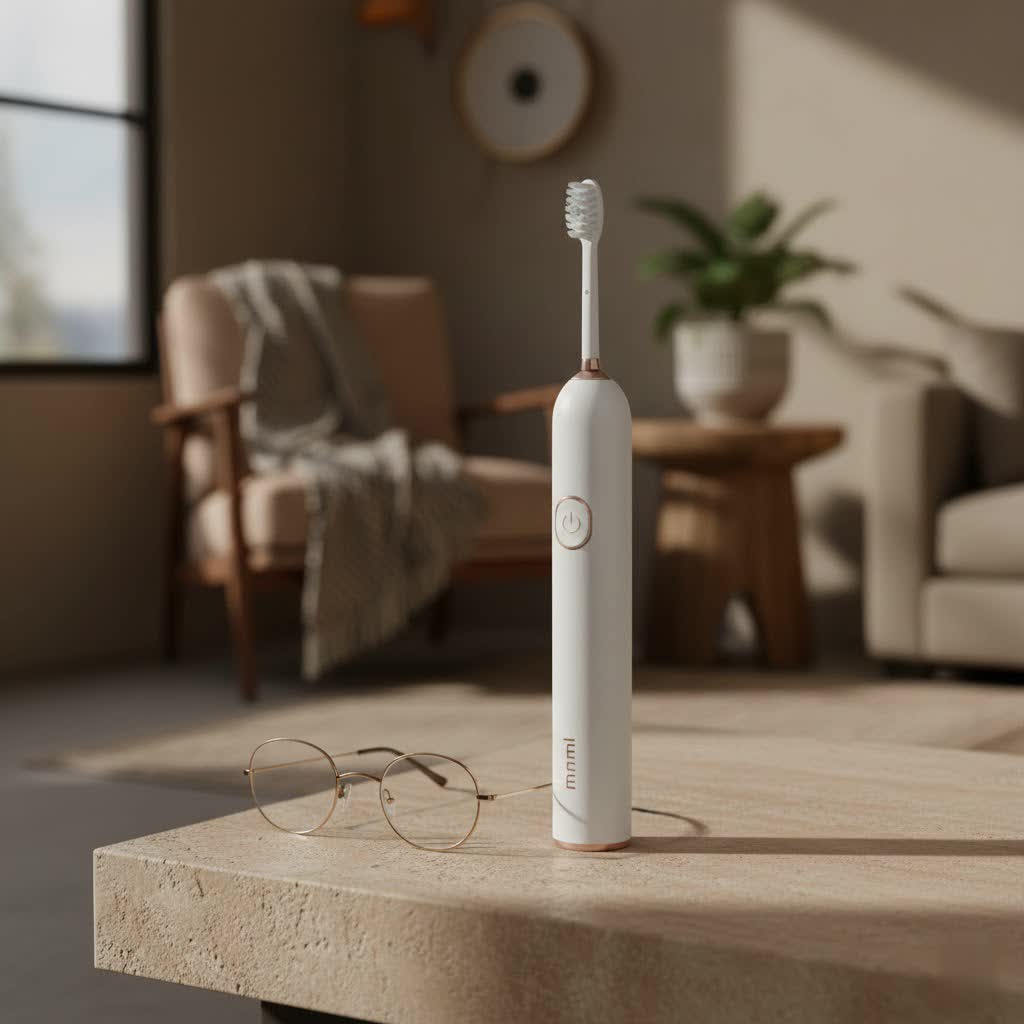
Understanding Sonic Technology: How It Works Wonders
At first glance, a sonic electric toothbrush might look similar to its electric counterparts, but beneath the surface lies a fundamentally different approach to cleaning. This sophisticated device doesn’t just scrub your teeth; it orchestrates a symphony of high-frequency vibrations that work wonders for your entire mouth.
What is a Sonic Electric Toothbrush?
|
Our Picks for the Best Electric Toothbrush in 2026
As an Amazon Associate I earn from qualifying purchases.
|
||
| Num | Product | Action |
|---|---|---|
| 1 | Onlyone Sonic Electric Toothbrush for Adults, Rechargeable Ultrasonic Electric Toothbrush with 8 Brush Heads, Travel Case, Charging Base & Wireless Charging - 5 Modes with Smart Timer |

|
| 2 | Philips Sonicare 4100 Series Electric Toothbrush - Sonic Toothbrush with Advanced Sonic Technology, Pressure Sensor, Two Intensity Settings, Smartimer & Quadpacer, Deep Pink, Model HX3681/26 |
|
| 3 | GRAUICI Deep Clean Rechargeable Electric Powered Toothbrush, Rechargeable Electric Toothbrush with 8 Brush Heads,Pressure Sensor to Protect Gums (White) |
|
| 4 | Oral-B Pro 1000 Rechargeable Electric Toothbrush, Black |
|
| 5 | Oral-B iO Deep Clean Rechargeable Electric Toothbrush, Black, iO Series 3 Limited, 2 Brush Heads, Travel Case, Pressure Sensor, 3 Cleaning Settings |
|
| 6 | Philips Sonicare 4100 Series Electric Toothbrush - Sonic Toothbrush with Advanced Sonic Technology, Pressure Sensor, Two Intensity Settings, Smartimer & Quadpacer, Black, Model HX3681/24 |
|
| 7 | Philips Sonicare 4100 Series Electric Toothbrush - Sonic Toothbrush with Advanced Sonic Technology, Pressure Sensor, Two Intensity Settings, Smartimer & Quadpacer, White, Model HX3681/23 |
|
| 8 | Oral-B Pro 1000 Rechargeable Electric Toothbrush, White |
|
| 9 | Ultrasonic Toothbrush for Adults - Automatic Electric Toothbrush with Soft Bristles Waterproof & Washable Rechargeable Portable Design with Wireless Charging 30\'\' Timer for Travel & Home Use (White) |
|
| 10 | Philips Sonicare 7300 Series Electric Toothbrush - Next-Generation Sonicare Technology, Pressure Sensor, 12 Brushing Settings, SmarTimer, BrushPacer, 21-Day Runtime, Travel Case, Black, HX7421/07 |
|
Simply put, a sonic electric toothbrush is an advanced oral care tool that uses high-speed, high-amplitude vibrations to clean teeth. While specific speeds can vary between models, these brushes typically deliver anywhere from 30,000 to an astounding 62,000 brush strokes per minute. The “sonic” in its name isn’t just a marketing term; it refers to the fact that its brush head vibrates at a frequency within the sonic range audible to the human ear.
The Science Behind the Shine
The true genius of the sonic electric toothbrush lies in its ability to harness a phenomenon known as “fluid dynamics.” Unlike a traditional manual or even an oscillating electric toothbrush, a sonic brush doesn’t solely rely on the physical sweeping motion of its bristles. Instead, the rapid vibrations create thousands of micro-bubbles within the toothpaste, water, and saliva mixture in your mouth. This agitated fluid is then propelled into every nook and cranny, reaching areas that traditional bristles often miss—think tight interdental spaces and along the gumline. This dynamic cleaning action effectively disrupts plaque biofilm and sweeps away food debris, giving you an exceptionally thorough clean without aggressive scrubbing. It’s like a tiny, super-powered pressure washer for your teeth, gently dislodging particles where bacteria love to hide.
Sonic vs. The Rest: Why It Stands Out
In the vast landscape of oral care, the sonic electric toothbrush truly carves out its own niche, offering distinct advantages over both manual and other electric models.
Sonic vs. Manual Toothbrushes
Let’s be honest, manual brushing, while fundamental, is entirely dependent on your technique and consistency. Even with the best intentions, it’s easy to miss spots or apply too much pressure, leading to ineffective plaque removal or gum irritation. A sonic electric toothbrush, however, largely takes the guesswork out of the equation. Studies have consistently shown that sonic brushes can remove significantly more plaque—up to 10 times more—than manual toothbrushes. This efficiency means less effort from you for a far superior clean, making it a game-changer for daily oral hygiene.
Sonic vs. Oscillating-Rotating Electric Toothbrushes
This is where the distinction often becomes a bit blurry for many. While both are “electric,” their cleaning mechanisms differ significantly. Oscillating-rotating toothbrushes, often characterized by their smaller, round brush heads, physically rotate and oscillate back and forth to scrub away plaque. They are highly effective at cleaning tooth surfaces but rely more on direct mechanical contact.
A sonic electric toothbrush, with its elongated brush head mimicking a manual brush, uses its high-frequency vibrations to create that “fluid dynamic” action. This makes it incredibly gentle yet powerful. While oscillating brushes can sometimes feel more aggressive and produce more noise, sonic brushes typically offer a smoother, quieter experience, often preferred by those with sensitive gums or a history of enamel wear. The fluid action allows for a more comprehensive clean, reaching beyond the physical touch of the bristles.
Unveiling the Benefits: Beyond a Brighter Smile
Embracing a sonic electric toothbrush can lead to a cascade of positive effects on your oral health, extending far beyond simply feeling clean.
Superior Plaque and Tartar Removal
The cornerstone benefit of a sonic electric toothbrush is its unmatched ability to obliterate plaque. The high-frequency vibrations and dynamic fluid action work synergistically to break down and sweep away plaque biofilm, the sticky culprit behind cavities and gum disease. Regular use significantly reduces plaque buildup, leading to a healthier mouth and fewer dental concerns down the road.
Enhanced Gum Health
Healthy gums are the foundation of a healthy smile, and sonic brushes excel in this area. The gentle yet powerful vibrations effectively clean along the gumline, dislodging plaque and bacteria that cause gingivitis. Many users report a noticeable reduction in gum bleeding and inflammation within weeks of switching to a sonic electric toothbrush. The massaging effect of the vibrations also stimulates blood circulation in the gums, promoting overall gum tissue health.
Stain Reduction and Whitening
Who doesn’t want a brighter smile? The efficient plaque and debris removal of a sonic electric toothbrush also contributes to reducing surface stains caused by coffee, tea, and other foods. While not a substitute for professional whitening treatments, consistent use can help maintain a naturally whiter appearance by keeping your enamel free from discoloration.
Ideal for Specific Needs
One of the great advantages of a sonic electric toothbrush is its versatility and gentleness, making it suitable for a wide range of individuals:
- Sensitive Teeth and Gums: Despite their power, sonic brushes are surprisingly gentle. The fluid action cleans without requiring harsh scrubbing, making them a fantastic choice for those prone to sensitivity or gum recession. Many models offer specific “sensitive” modes for an even softer touch.
- Braces, Crowns, and Dental Work: Navigating around braces, retainers, crowns, or veneers with a manual brush can be challenging. The fluid dynamics of a sonic electric toothbrush can reach around these dental appliances, ensuring thorough cleaning in hard-to-reach areas without snagging or causing damage.
- Limited Dexterity: For individuals with arthritis, carpal tunnel syndrome, or other conditions that affect hand mobility, a sonic electric toothbrush is a true blessing. It does most of the work for you, requiring minimal effort and precise hand movements, ensuring everyone can achieve an effective clean.
Your Guide to Optimal Brushing: Using a Sonic Electric Toothbrush Effectively
To unlock the full potential of your sonic electric toothbrush, understanding the correct technique is crucial. It’s less about manual labor and more about gentle guidance.
Preparation is Key
- Apply Toothpaste: Dispense a pea-sized amount of your favorite fluoride toothpaste onto the bristles. While some debate wetting the brush, a slight moistening can help distribute the paste evenly.
- Initial Placement: Before turning it on, place the brush head in your mouth, gently resting it against your teeth at a 45-degree angle towards the gumline. This prevents toothpaste from splattering.
- Power On: Now, press the power button. Many sonic brushes feature a “soft start” to ease you into the vibrations.
The Gentle Glide: Technique Matters
The golden rule with a sonic electric toothbrush is: let the brush do the work.
- Angle and Pressure: Maintain that 45-degree angle to the gumline. Apply only light pressure—just enough for the bristles to make contact with your teeth and gums. If the bristles bend or flair out, you’re pressing too hard. Many advanced sonic models come with a pressure sensor that alerts you if you’re being too aggressive, protecting your enamel and gums.
- Slow Movement: Instead of scrubbing vigorously, slowly guide the brush head across each tooth, allowing the vibrations to do their job. Move from tooth to tooth, covering all surfaces: outer, inner, and chewing surfaces.
- Quadrant Approach and Timer Use: Most dentists recommend brushing for two minutes, twice a day. Many sonic electric toothbrushes have built-in timers that automatically shut off after two minutes. Even better, many include a “Quadpacer” feature, which subtly pulses every 30 seconds, signaling you to move to the next quadrant of your mouth (upper right, upper left, lower left, lower right). This ensures an even and thorough clean across your entire mouth.
- Don’t Forget Your Tongue: After brushing your teeth, a gentle pass over your tongue can help remove bacteria and freshen your breath.
Maintenance for Longevity
Like any precision instrument, your sonic electric toothbrush requires a little care to keep it performing at its best.
- Cleaning the Brush Head: After each use, rinse the brush head thoroughly under running water to remove any toothpaste residue and debris.
- Storing: Store your toothbrush upright in a clean, dry place to allow the bristles to air dry.
- When to Replace Brush Heads: A worn-out brush head is ineffective. Most dentists and manufacturers recommend replacing your sonic toothbrush head every three months, or sooner if the bristles appear frayed or damaged. Some brush heads even have indicator bristles that fade in color as they wear out, signaling it’s time for a replacement.
Choosing Your Perfect Sonic Companion: Features to Consider
With a plethora of sonic electric toothbrushes on the market, selecting the right one can feel daunting. Here’s what an expert considers when recommending a perfect match:
Brushing Modes and Intensity Settings
Many sonic electric toothbrushes offer a variety of brushing modes, such as “Clean,” “Sensitive,” “Whitening,” “Gum Care,” and “Deep Clean.” Some even allow you to adjust the intensity of the vibrations within each mode. This customization is fantastic, allowing you to tailor your brushing experience to your specific needs and preferences on any given day.
Pressure Sensors
A non-negotiable feature in my book! A pressure sensor is invaluable for protecting your gums and enamel from excessive force. If you press too hard, the brush will either stop vibrating, change its vibration pattern, or illuminate a light, prompting you to ease up. This is particularly beneficial for those transitioning from manual brushing, where over-brushing is a common habit.
Built-in Timers (2-Minute and Quadpacer)
These features are essential for ensuring you brush for the dentist-recommended duration and cover all areas of your mouth evenly. The 2-minute timer ensures thoroughness, while the 30-second Quadpacer ensures no quadrant is neglected.
Battery Life and Charging
Consider your lifestyle. If you travel frequently, a sonic electric toothbrush with a long-lasting battery (some offer weeks on a single charge) and a convenient charging solution (like USB-C or a compact travel case) will be a huge plus.
Smart Features and App Integration
For tech enthusiasts, premium sonic electric toothbrushes now offer Bluetooth connectivity and companion apps. These apps can provide real-time feedback on your brushing technique, track your coverage, identify missed spots, and offer personalized coaching to improve your habits over time. It’s like having a dental hygienist guiding you through every brush!
Expert Insight: What the Pros Say
“In my years of practice, I’ve seen countless patients transform their oral health simply by switching to a sonic electric toothbrush,” shares Dr. Elena Petrova, a renowned dental health specialist. “The combination of high-frequency vibrations and dynamic fluid action reaches areas a manual brush simply cannot. It’s an investment that pays dividends in long-term oral health and confidence.”
Is a Sonic Electric Toothbrush Worth the Investment?
The initial cost of a quality sonic electric toothbrush can be higher than a manual brush, and there’s the ongoing expense of replacement brush heads every few months. However, when you weigh these factors against the unparalleled cleaning efficiency, the significant improvements in plaque removal and gum health, and the preventative benefits against costly dental issues down the line, the answer is a resounding yes. It’s an investment in your health, your comfort, and your lasting smile. For anyone serious about elevating their oral care routine, a sonic electric toothbrush is not just a gadget; it’s an essential tool.
Frequently Asked Questions (FAQ)
Q1: How often should I replace my sonic toothbrush head?
A1: For optimal performance and hygiene, it’s recommended to replace your sonic toothbrush head every three months, or sooner if the bristles show visible signs of wear and tear, such as fraying or bending.
Q2: Can I use a sonic toothbrush with sensitive teeth?
A2: Absolutely! Sonic electric toothbrushes are often recommended for sensitive teeth and gums because their cleaning action is gentle yet highly effective. Many models offer a “sensitive” mode for an even softer experience.
Q3: Are sonic toothbrushes safe for braces or dental implants?
A3: Yes, sonic electric toothbrushes are generally safe and highly effective for individuals with braces, crowns, veneers, or dental implants. The dynamic fluid action helps clean around these dental structures without causing damage. Always consult your dentist if you have specific concerns.
Q4: What is the ideal brushing time with a sonic electric toothbrush?
A4: Dentists universally recommend brushing for two minutes, twice a day. Many sonic toothbrushes come with built-in timers that guide you to brush for the full two minutes, often with a Quadpacer that signals when to move to a new section of your mouth.
Q5: Is it normal for a sonic electric toothbrush to vibrate intensely?
A5: Yes, the intense vibrations are precisely how a sonic electric toothbrush achieves its deep cleaning action. It might take a few days to get accustomed to the sensation if you’re new to electric toothbrushes, but this is a normal part of its powerful operation.
Q6: Should I wet my toothbrush before applying toothpaste?
A6: While many people instinctively wet their brush, some sources suggest applying toothpaste directly to a dry brush head. This can prevent diluting the toothpaste and enhance its cleaning efficacy. However, a slight moistening is generally acceptable and a matter of personal preference.
Conclusion
The journey to an optimally clean and healthy mouth is a continuous one, and the sonic electric toothbrush stands as a powerful ally in that pursuit. With its groundbreaking technology, superior cleaning capabilities, and gentle approach, it’s more than just a tool—it’s a commitment to your long-term oral well-being. At KVRTV.com, we believe that informed choices lead to confident smiles. By understanding how a sonic electric toothbrush works and how to use it effectively, you’re not just brushing; you’re investing in a future of vibrant oral health. Make the switch, master the technique, and experience the unparalleled difference for yourself.
