Let’s face it, the distinct whirring or buzzing of an electric toothbrush can be quite jarring, especially first thing in the morning or late at night. For many, the idea of a Quiet Electric Toothbrush isn’t just a luxury; it’s a necessity for maintaining peace in shared spaces, catering to sensory sensitivities, or simply enjoying a more serene start or end to the day. As your go-to expert at KVRTV.com with over a decade in the field, I’m here to guide you through the ins and outs of finding an electric toothbrush that delivers a superior clean without the loud fanfare.
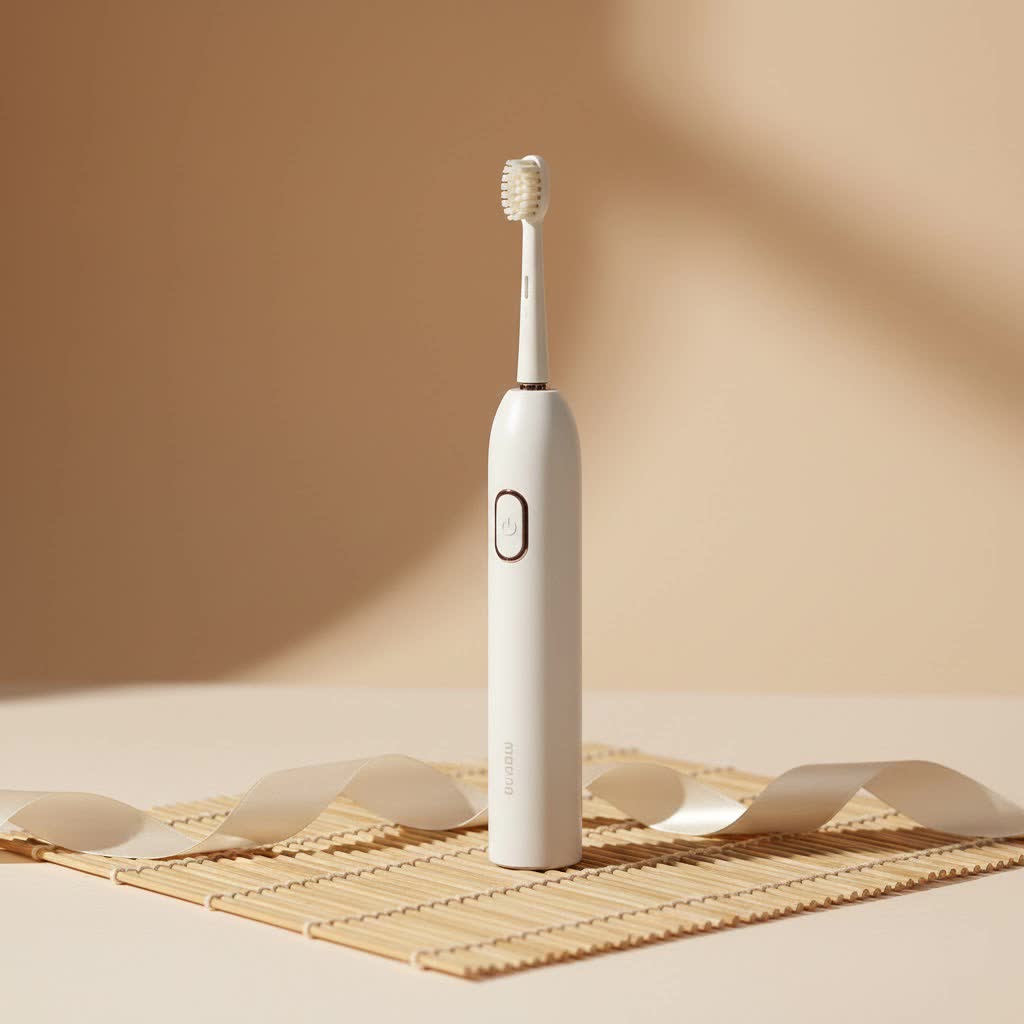
Why a Quiet Electric Toothbrush Matters More Than You Think
The sound of an electric toothbrush, while often synonymous with effective cleaning, can be a major disruptor. Imagine brushing your teeth at 6 AM without waking your partner, or giving your child a brushing experience that doesn’t overwhelm their senses. A low-noise electric toothbrush goes beyond mere convenience; it significantly enhances the daily oral hygiene routine for countless individuals. From shared bathrooms where peace is paramount to individuals with auditory sensitivities, opting for a quiet model can transform a mundane chore into a genuinely more pleasant experience. It’s about creating a tranquil environment where you can focus on brushing effectively, not on the racket.
The Science of Silence: Sonic vs. Oscillating-Rotating
The primary factor influencing an electric toothbrush’s noise level is its cleaning technology. There are two main types: sonic and oscillating-rotating. Understanding their fundamental differences is key to choosing a quiet electric toothbrush.
Sonic Toothbrushes: The Gentle Hum
|
Our Picks for the Best Electric Toothbrush in 2026
As an Amazon Associate I earn from qualifying purchases.
|
||
| Num | Product | Action |
|---|---|---|
| 1 | Philips Sonicare 4100 Series Electric Toothbrush - Sonic Toothbrush with Advanced Sonic Technology, Pressure Sensor, Two Intensity Settings, Smartimer & Quadpacer, Black, Model HX3681/24 |

|
| 2 | Philips Sonicare 7300 Series Electric Toothbrush - Next-Generation Sonicare Technology, Pressure Sensor, 12 Brushing Settings, SmarTimer, BrushPacer, 21-Day Runtime, Travel Case, Black, HX7421/07 |
|
| 3 | Onlyone Sonic Electric Toothbrush for Adults, Rechargeable Ultrasonic Electric Toothbrush with 8 Brush Heads, Travel Case, Charging Base & Wireless Charging - 5 Modes with Smart Timer |
|
| 4 | Oral-B iO Deep Clean Rechargeable Electric Toothbrush, Black, iO Series 3 Limited, 2 Brush Heads, Travel Case, Pressure Sensor, 3 Cleaning Settings |
|
| 5 | Philips Sonicare 4100 Series Electric Toothbrush - Sonic Toothbrush with Advanced Sonic Technology, Pressure Sensor, Two Intensity Settings, Smartimer & Quadpacer, White, Model HX3681/23 |
|
| 6 | Oral-B Pro 1000 Rechargeable Electric Toothbrush, Black |
|
| 7 | Philips Sonicare 4100 Series Electric Toothbrush - Sonic Toothbrush with Advanced Sonic Technology, Pressure Sensor, Two Intensity Settings, Smartimer & Quadpacer, Deep Pink, Model HX3681/26 |
|
| 8 | GRAUICI Deep Clean Rechargeable Electric Powered Toothbrush, Rechargeable Electric Toothbrush with 8 Brush Heads,Pressure Sensor to Protect Gums (White) |
|
| 9 | Ultrasonic Toothbrush for Adults - Automatic Electric Toothbrush with Soft Bristles Waterproof & Washable Rechargeable Portable Design with Wireless Charging 30\'\' Timer for Travel & Home Use (White) |
|
| 10 | Oral-B Pro 1000 Rechargeable Electric Toothbrush, White |
|
Sonic toothbrushes operate by generating high-frequency vibrations, typically ranging from 30,000 to 84,000 brush movements per minute. This incredible speed creates what’s known as “fluid dynamics,” agitating the toothpaste and water in your mouth to generate thousands of microscopic bubbles. These bubbles then reach deep between teeth and along the gumline, dislodging plaque and debris effectively. Because their cleaning action relies on vibrations rather than a physical rotation of the brush head, sonic models tend to produce a softer, humming sound. Most sonic toothbrushes fall within a decibel range of 50 to 70 dB, making them considerably quieter than their oscillating counterparts. Brands like Philips Sonicare and Oclean are well-known for their quiet sonic offerings.
Oscillating-Rotating Toothbrushes: The Mechanical Whirr
In contrast, oscillating-rotating electric toothbrushes, most commonly associated with Oral-B, feature small, round brush heads that rotate back and forth, often with pulsations, to actively scrub and polish each tooth surface. This mechanical action, while highly effective at plaque removal, typically generates more noise. Traditional oscillating-rotating brushes can produce sounds in the region of 75 decibels, which many describe as a more mechanical whirring sound. However, it’s worth noting that newer innovations, such as Oral-B’s iO series, have significantly reduced this noise. These models employ a different motor technology, resulting in a quieter, less mechanical sound, often around 64 dB, making them a more palatable option for those who prefer the oscillating-rotating cleaning style but desire less noise.
What Makes an Electric Toothbrush Quiet? The Engineering Behind Low Noise
Achieving a genuinely quiet electric toothbrush isn’t by accident; it’s the result of intentional engineering and design choices.
- Motor Type and Design: The heart of any electric toothbrush is its motor. Advanced motors, like the Maglev motors found in some ultra-quiet models (e.g., Oclean), are specifically designed to minimize friction and vibration, thereby reducing noise output. The way the motor is integrated into the handle and the internal space available can also impact resonance. Less internal echo means less amplified sound.
- Internal Components and Soundproofing: Manufacturers dedicated to quiet operation often use specialized internal components and strategic soundproofing materials within the handle. These elements absorb vibrations and prevent sound waves from resonating and amplifying.
- Material Quality and Construction: The overall quality of materials and the precision of assembly play a crucial role. A well-constructed brush with tightly fitting parts will naturally vibrate less and produce less extraneous noise than one with loose components.
- Brush Head Fit: Believe it or not, your brush head can contribute to the noise. Original manufacturer brush heads are designed to fit snugly, minimizing any rattling or vibration. “Using genuine brush heads is a small but impactful detail,” advises Dr. Elena Petrova, a leading dental technology researcher. “A loose-fitting generic head can significantly increase the noise level and even affect cleaning efficacy.” Off-brand brush heads might not have the same precise fit, leading to increased noise during operation.
Top Picks for a Whisper-Quiet Clean: Our Expert Recommendations
Based on extensive testing and real-world feedback, here are some of the quietest electric toothbrushes that consistently deliver exceptional cleaning performance with minimal sound:
- Oclean X Pro Elite: Often lauded as one of the quietest electric toothbrushes available, the Oclean X Pro Elite registers around 48 decibels. It boasts a powerful Maglev motor, smart features, and a sleek design, proving that you don’t have to sacrifice cleaning power for quietness.
- Oclean Air 2T Sonic Toothbrush: For those seeking ultra-quiet operation, the Oclean Air 2T goes even further, often measuring less than 37 dB – quieter than a typical library (around 50 dB). This travel-friendly sonic brush combines a powerful motor with ingenious noise-reduction technology.
- SURI 2.0: This model is another strong contender for quietness, typically operating around 58 dB. It offers a great balance of effective cleaning and a subdued sound profile, along with notable environmental credentials.
- Philips Sonicare 4100 Series: A popular choice for its reliability and effective sonic cleaning, the Sonicare 4100 series generally produces around 60 dB. While slightly louder than the Oclean models, it’s still considered very quiet, especially compared to many oscillating-rotating brushes, and offers excellent value.
- Oral-B iO Series (e.g., Series 5, 9, 10): If you prefer the distinct feel of an oscillating-rotating brush but want to minimize noise, the Oral-B iO series is your best bet. These brushes typically operate around 64 dB, which is a significant improvement over older Oral-B models and offers a much smoother, quieter brushing experience for this technology type. They still pack incredible cleaning power and smart features.
Debunking Myths: Does Quieter Mean Less Powerful?
A common misconception is that a quieter electric toothbrush must be less powerful or less effective at cleaning. This couldn’t be further from the truth. In fact, many of the quietest models utilize advanced sonic technology that achieves superior cleaning through high-frequency vibrations rather than brute force. The efficiency of these vibrations, combined with fluid dynamics, allows for thorough plaque removal and gum stimulation without the need for excessive noise. The quiet hum of a quality sonic toothbrush is often indicative of sophisticated engineering, delivering a dentist-clean feeling with a gentle touch.
Beyond the Brush: Other Factors Influencing Noise
While the toothbrush itself is the main factor, other elements can subtly affect the perceived noise level:
- Room Acoustics: Bathrooms, often tiled with hard, reflective surfaces, can amplify sound. Using a quiet electric toothbrush in such an environment will still be less jarring than a loud one.
- Proper Technique: Applying too much pressure can sometimes increase motor strain and, consequently, noise. Most electric toothbrushes, especially sonic ones, require only a light touch to be effective.
- Maintaining Your Brush: Keep your toothbrush clean and free from debris. Any foreign particles lodged around the brush head connection or within the handle could potentially create additional noise. Also, be mindful of dropping your brush, as internal damage can lead to increased operational sound.
- Using Genuine Brush Heads: As Dr. Petrova mentioned, using a brush head not specifically designed for your model can lead to a less-than-perfect fit, causing vibrations and rattling that increase noise.
Choosing Your Perfect Quiet Companion: A Checklist
Ready to embrace the tranquility of a quiet brushing experience? Here’s a quick checklist to help you make an informed decision:
- Decibel Rating: Look for brushes with stated decibel levels, aiming for 60 dB or lower for a noticeably quiet experience. Ultra-quiet models can go below 40 dB.
- Brush Type: Sonic toothbrushes are generally the quietest option due to their vibration-based cleaning.
- Key Features: Don’t forget other essential features like pressure sensors (to prevent over-brushing), built-in timers, and multiple cleaning modes.
- Battery Life: Consider how long the brush holds a charge, especially if you travel.
- Price vs. Performance: Remember that higher price doesn’t automatically mean quieter. Evaluate the quietness alongside cleaning performance and features within your budget.
Frequently Asked Questions About Quiet Electric Toothbrushes
Q: What is considered a quiet decibel level for an electric toothbrush?
A: Generally, an electric toothbrush producing 60 decibels (dB) or less is considered quiet. Many premium sonic models operate in the 50-60 dB range, while ultra-quiet options can be as low as 37-48 dB. For context, a normal conversation is about 60 dB, and a library is around 40-50 dB.
Q: Can I make my current electric toothbrush quieter?
A: While there’s no magic bullet, you can try a few things: ensure you’re using a genuine, properly fitted brush head, avoid pressing too hard, and keep the brush clean. However, significant noise reduction usually requires switching to a model specifically designed for quiet operation, as the primary noise source is the motor and its internal design.
Q: Are all sonic toothbrushes quiet?
A: While sonic toothbrushes are generally quieter than oscillating-rotating models, not all sonic toothbrushes are created equal in terms of noise output. There is a range even among sonic brushes, with some producing a noticeably softer hum than others. Always check product specifications or reviews for decibel ratings if quietness is a priority.
Q: Do quiet electric toothbrushes cost more?
A: Not necessarily. While some ultra-quiet models incorporate advanced technology that can increase the price, there are many quiet and affordable sonic toothbrushes available. The price often depends more on smart features, battery life, and brand reputation than on quietness alone.
Q: How often should I replace my quiet electric toothbrush head?
A: Regardless of how quiet your electric toothbrush is, you should replace its brush head every three months, or sooner if the bristles appear frayed or worn. This ensures optimal cleaning performance and hygiene.
Embrace the Serenity of a Silent Smile
Choosing a quiet electric toothbrush is a simple yet impactful decision that can significantly improve your daily routine and overall brushing experience. With the advancements in sonic technology and thoughtful engineering, you no longer have to compromise on cleaning power to achieve a peaceful, whisper-quiet clean. As your trusted source at KVRTV.com, we encourage you to explore these silent champions and find the perfect quiet electric toothbrush that brings harmony to your bathroom and a radiant, healthy smile to your face.
